Despite dire warnings from mainstream media that Trump’s tariffs would plunge the U.S. into recession, the latest economic data paints a very different picture.
Story Highlights
- Economic experts predicted recession due to Trump tariffs; GDP grows instead.
- Scott Jennings calls out media for inaccurate recession forecasts.
- California challenges federal tariff authority amidst economic strain.
- Trump administration increases tariffs, defying critics.
U.S. Economy Defies Recession Predictions
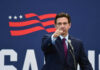
In a stunning rebuke to economic pundits and mainstream media, the U.S. economy has reported a 3% growth in GDP for the last quarter of 2025. This comes after years of repeated warnings from experts who claimed that Trump’s tariffs would inevitably lead to recession. Instead, the economy has proven resilient, a fact that has not gone unnoticed by conservative commentators like CNN’s Scott Jennings, who is demanding accountability for the media’s alarmist rhetoric.
🚨US GDP clocks in at 3% after the experts forecast tariffs would tank the economy.
Why do the "experts" still have jobs in the business media? pic.twitter.com/Cv4w5AukBn
— Tara Servatius (@TaraServatius) July 30, 2025
Jennings took to social media on July 31, 2025, to highlight the discrepancy between the bleak forecasts and the actual economic performance. His posts quickly went viral, resonating with a public increasingly skeptical of media narratives. As Jennings noted, the supposed experts have been wrong before, and this time, it’s the American public paying the price for their credibility crisis.
California’s Legal Battle Over Tariffs
While the national economy may be growing, not all states are feeling the benefits. California has been particularly vocal in its opposition to the federal tariff policies, filing a lawsuit claiming that the tariffs are causing “immediate and irreparable harm” to its economy. The state’s businesses reportedly incurred $11.3 billion in tariff costs in just the first five months of 2025, and the Port of Los Angeles is operating at 70% capacity, with a 40% decline in job postings in trade and logistics sectors.
California Governor Gavin Newsom argues that these economic strains are disproportionately affecting the state, which has a high exposure to international trade. This legal battle underscores the growing tension between state and federal authorities over trade policy, adding another layer of complexity to the already heated tariff debate.
Tariffs Continue to Divide Opinion
The Trump administration’s decision to increase tariffs further has sparked renewed debate. Proponents argue that the tariffs are working as intended—protecting U.S. industries and boosting federal tax revenues, which are projected to reach $167.7 billion in 2025. However, critics contend that these benefits come at the expense of higher consumer prices and strained international relations.
Industry experts remain divided. J.P. Morgan cautions that the tariffs are creating a “material drag” on GDP growth by increasing inflationary pressures, while others point out the potential for long-term damage to capital spending and export growth. Yet, supporters argue that these are necessary sacrifices for achieving long-term economic sovereignty and reducing dependency on foreign goods.
Expert Analysis and Public Sentiment
As the economic data continues to roll in, the debate over tariffs shows no signs of abating. While some economists warn of potential future risks, the immediate reality of GDP growth and increased federal revenue cannot be ignored. The question remains: are these tariffs a temporary boon or a ticking time bomb?
Public sentiment seems to align more with Jennings’ perspective, questioning why the media’s dire predictions have not come to pass. This skepticism is fueling a broader conversation about the role of media in shaping public perception and policy debates. As this economic saga unfolds, one thing is clear: the American public is watching closely, and they expect the truth—not hysteria—from those who claim to inform them.