
A Michigan judge ordered election officials to keep electronic poll books instead of deleting them days after certification, putting record preservation over convenience.
Story Highlights
- A Court of Claims order told Michigan officials to preserve electronic poll books after the November 3 election.
- State Rule 168.48 had required deletion of poll book software and files seven days after final certification, with limited exceptions.
- A township clerk sued, saying the rule clashed with the federal 22‑month records law for federal elections.
- The judge’s order is temporary and does not decide the final legality of the state rule.
What The Court Ordered And Why It Matters
The Michigan Court of Claims directed election officials to keep electronic poll books from the November 3 election and move them to encrypted flash drives for secure storage while the case proceeds. The order pauses a state rule that told clerks to delete the software and related files seven days after the final canvass and certification. The ruling gives time for a legal fight about whether those files count as records that federal law says must be saved for 22 months in federal elections.
Michigan Administrative Code Rule 168.48 states that “the electronic pollbook software and associated files must be deleted from all devices by the seventh day” after certification, unless there is a recount, an audit, or a formal stay. The lawsuit argues that this clashes with the federal retention law that covers “all records and papers” linked to voting acts. The judge did not decide the merits. The court only ensured nothing gets erased before the core question is resolved.
The Case Driving The Dispute
Bridgewater Township Clerk Michelle McQueer filed the case against Secretary of State Jocelyn Benson, Elections Director Jonathan Brater, and the Michigan Department of State. She said the deletion rule placed her in a legal bind between state guidance and federal law. The Michigan Republican Party and the Republican National Committee later intervened. They asked the court to declare the deletion rule invalid, or to narrow it, so that any poll book data covered by federal or Michigan law is preserved.
The United States Department of Justice filed a motion to give a statement of interest on the federal records issue. The filing, as reported, said that deletion under the state rule, under certain assumptions, would not likely be a prosecution priority. That is not a final legal answer on what must be kept. It shows the federal government is watching how states treat election records created by software and whether later exports truly match the original data.
What Counts As A Record In A Digital Election System
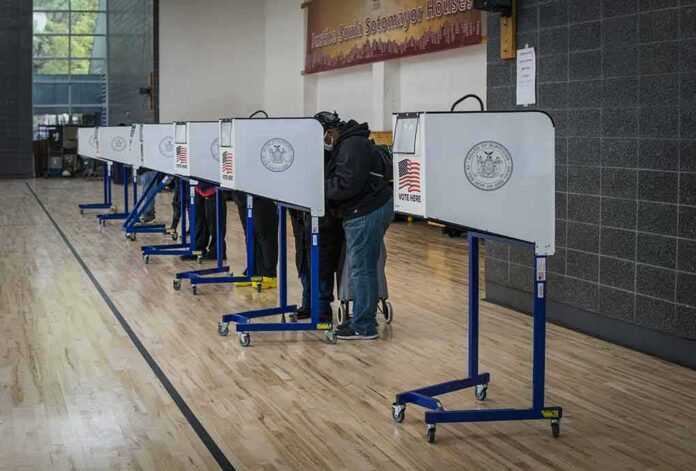
Electronic poll books check in voters, create reports, and record voter history at polling places. The legal fight centers on whether the original poll book files, audit logs, and metadata are themselves “records,” or if later paper printouts and database uploads are enough. Federal law requires officials to keep election records and papers for 22 months in federal races, and allows storage with a custodian, but it does not list every modern file type. That gap is driving clashes like this one.
Court blocks Michigan SOS Jocelyn Benson’s rule to delete electronic pollbook records just 7 days after certification.
Federal law requires 22 months of preservation. RNC and Michigan GOP win temporary order to keep the records.
The only reason anyone would delete them within… pic.twitter.com/hn2m2owl9l
— Gina Beana Fofina (@Ginasassyass) October 28, 2026
The Michigan Department of State says it already preserves the information. Officials point to paper reports, encrypted flash drive copies, and uploads into the Qualified Voter File before deletion of the software and files after security release. Critics say that a later export or paper report may miss key context, like system audit logs, timestamps, and user actions that help prove what happened in a precinct. The current record does not include a full technical comparison of original files and retained data.
Why Voters Across Parties Should Care
Trust in elections depends on clear rules and complete records. When rules tell officials to delete core files within days, people see a system that protects itself, not the public interest. When courts step in to preserve data, it can feel like a win for transparency. Still, this order is temporary. The court has not decided if the seven‑day deletion rule breaks state or federal law. Final answers will likely turn on fine details in both statutes and the technology.
What Comes Next
The case will move toward a ruling on whether poll book software and associated files must be kept for 22 months, or if the state’s mix of paper and uploads is enough. If the judge rules that original digital artifacts are records, other states with similar rules may need to change. If the judge sides with the state, expect new guidance on what exact data must be printed or uploaded to meet federal law without saving the full software state.
Sources:
democracydocket.com, milawyersweekly.com, legalnews.com, mlive.com, yournews.com, ars.apps.lara.state.mi.us, michiganvotes.org, iosconews.com