Leading health researchers say the “manosphere” now functions like a commercial health risk, and they want governments to treat it that way.
Story Highlights
- A Lancet-linked team urges a public health response to online misogyny and male-supremacist content.
- A Dublin City University experiment found platforms quickly pushed toxic videos to teen-style accounts.
- Authors cite harms like threats, doxxing, and help-seeking stigma, alongside loneliness and money stress.
- United Kingdom media regulator research warns the term “manosphere” can lump very different content together.
Experts Propose A Public Health Playbook, Not Just Takedowns
United Kingdom experts argued that the online “manosphere” should be handled as a public health problem. They said the content is sold, marketed, and spread through paid products and platforms, which makes it more like a commercial health risk than a private chat room. The group called for coordinated action by schools, doctors, community groups, and government. They compared the policy approach to lessons from tobacco control, but did not claim the harms are equal to smoking.
The researchers outlined specific harms they see tied to this content. They pointed to abuse of women and girls, cyberstalking, rape threats, and campaigns to silence people. They also warned that this culture can shame boys and men who seek help for mental health needs. They argued that loneliness, economic stress, and shaky identity can make young men more open to simple, blame-heavy answers that promise status or belonging.
Evidence Shows Fast Exposure; Causation Remains Unclear
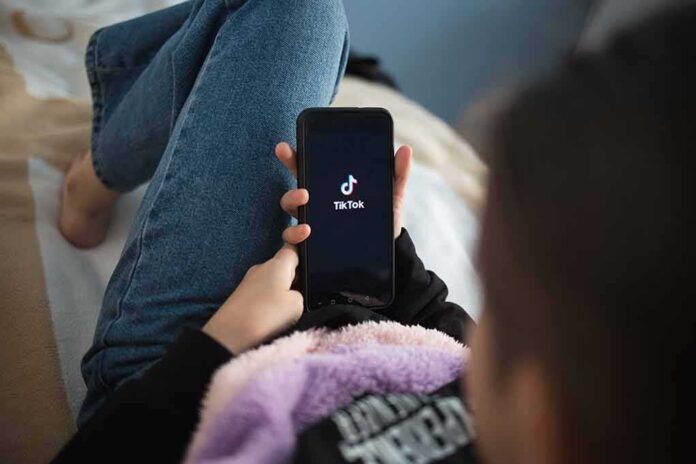
Dublin City University ran a controlled test using blank phones and teen-style accounts on TikTok and YouTube Shorts. The team recorded what the apps recommended as the accounts watched. Within a few rounds, the feeds filled with misogynistic and male-supremacist content. One 16-year-old profile saw more than half of its suggested clips classed as toxic by round five, showing fast escalation by design, not by search.
The same record shows clear limits. The study tracked what the apps pushed, not what people believed or did after watching. It used a small set of sockpuppet accounts, not a large sample of real users with varied histories. The authors and later coverage noted that this evidence shows exposure, not proven health outcomes like depression, violence, or long-term belief change at scale.
Why This Fight Crosses Politics And Institutions
The call lands in a tense climate. Many Americans on the right and left think powerful platforms profit from outrage while government reacts too slowly. The report frames the manosphere as a market that sells identity and performance to men and boys. That invites a whole-of-society response beyond content removal. The team urged prevention programs, safer defaults for young users, better reporting, and steady tracking to check what actually reduces harm.
‘Manosphere’ should be treated as a public health issue, AFP reports. Read more at https://t.co/CXQR6xn25M #CdnHealth #Manosphere pic.twitter.com/oCSPaO3K3w
— Canada Healthwatch 🍁 (@CanHealthwatch) October 30, 2026
Pushback focuses on scope and free speech. The United Kingdom’s communications regulator found many people view “manosphere” as too broad, mixing basic self-help with extreme hate. Some said they watch this content as entertainment and do not adopt its views. The regulator stressed that its findings were qualitative and cannot show how common these views are. These points suggest careful targeting is vital to avoid sweeping in benign content or alienating moderate viewers.
What To Watch Next: Data Access, Targeted Interventions
Next steps will test whether governments and platforms share the data needed to check impact. Researchers want larger, repeated audits across countries and account types, plus long-term studies that track mental health, attitudes, and behavior. They also want to trial solutions like media literacy, counseling referrals, and recommender opt-outs to see what works without deepening isolation. The aim is narrow: reduce harmful exposure and harassment while protecting open debate and useful male-focused content.
Sources:
socialmediaban.lisboncouncil.net, dcu.ie, cp24.com