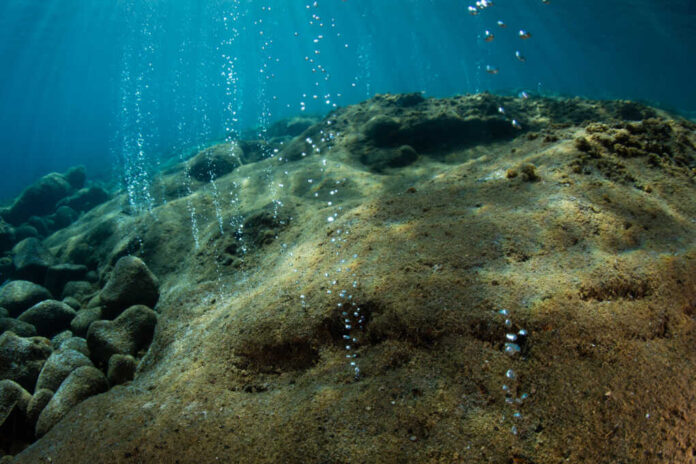
Hawaii’s pristine coral reefs—critical ecosystems supporting 25% of all marine life—face catastrophic destruction from 55 million gallons of raw sewage contaminating their waters annually.
Story Snapshot
- 55 million gallons of sewage annually threaten Hawaii’s coral reef ecosystems
- Coral reefs support 25% of all marine species despite covering less than 1% of ocean floor
- Failed government oversight allows cesspools and waste systems to poison marine habitats
- Economic impact threatens $6 trillion in global reef value and local tourism industry
Environmental Crisis Unfolds in Paradise
Hawaii’s coral reefs face an unprecedented environmental disaster as 55 million gallons of sewage contaminate ocean waters annually. These vital ecosystems, which support approximately 25% of all marine life including green sea turtles and tropical fish, occupy less than 1% of the ocean floor yet serve as nurseries and refuges for countless species. The sewage contamination represents a direct assault on biodiversity hotspots that have existed for millions of years, providing essential food, shelter, and breeding grounds for marine wildlife.
Government Failures Enable Ecological Destruction
The sewage crisis stems from decades of inadequate government oversight and failed infrastructure planning. Outdated cesspool systems and insufficient wastewater treatment facilities continue dumping raw human waste directly into coastal waters. This represents classic government mismanagement—prioritizing development permits over environmental protection while ignoring the long-term consequences. Local communities dependent on reef ecosystems for their livelihoods now suffer the consequences of bureaucratic negligence and regulatory failures that any competent administration should have prevented.
Economic Devastation Threatens Local Communities
The sewage contamination threatens Hawaii’s tourism industry and fishing communities who depend on healthy reef ecosystems for survival. Global coral reefs contribute an estimated $6 trillion annually to world economies, with Hawaii’s reefs supporting significant portions of local income through tourism, fishing, and coastal protection services. The destruction of these ecosystems will eliminate jobs, reduce property values, and devastate communities that have relied on marine resources for generations. This economic collapse represents the predictable result of environmental mismanagement.
Marine Life Faces Extinction Threat
Green sea turtles, tropical fish populations, and countless invertebrate species face immediate habitat destruction from sewage pollution. These creatures rely on coral reefs for food sources, breeding grounds, and protection from predators. The contamination disrupts the delicate ecological balance that has sustained marine biodiversity for millennia. Without immediate intervention, entire species populations risk collapse, creating irreversible damage to ocean ecosystems that serve as the foundation for marine food chains and coastal protection systems.
WHAT THE FUCK NEWS! STOP SHITTING IN THE OCEANS! Some 55 million gallons of sewage are threatening Hawaii’s coral reefs https://t.co/thwQITh8sQ
— HOT ROCK TV (@HOTROCKTV) August 30, 2025
Sources:
Coral Guardian – Why Are Coral Reefs Important
Natural History Museum – Why Are Coral Reefs Important
Woods Hole Oceanographic Institution – Reef Ecosystems
Barrier Reef Foundation – Why We Need Coral Reefs
International Coral Reef Initiative – Benefits of Coral Reefs