U.S. officials froze government activity and travel to Mexicali for a day after receiving threat information about a possible attack on law enforcement sites.
Story Snapshot
- U.S. Mission in Mexico suspended official travel and consular services in Mexicali on August 25.
- Security alert warned Americans of a potential threat and urged extra caution.
- Media reports tied the threat to criminal groups targeting police facilities.
- Move fits a wider pattern of short, preventive pauses during credible risks.
What U.S. Officials Did and Why It Matters
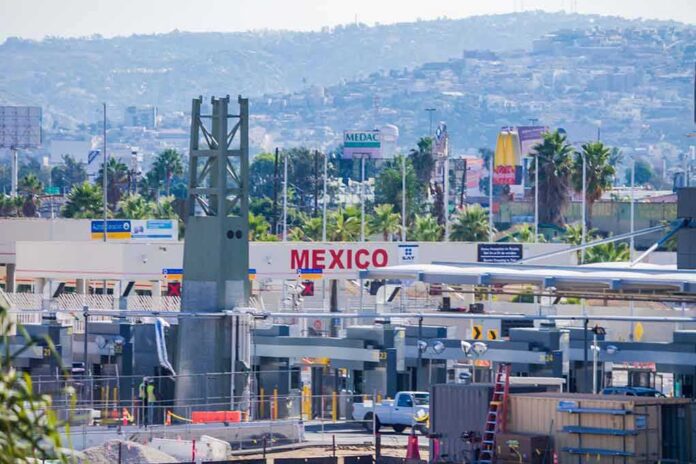
U.S. diplomats halted government activities and official travel in Mexicali on August 25 after receiving threat information about a possible attack. The public alert called the situation a potential threat and advised U.S. citizens to be cautious in the border city across from Calexico, California. This quick pause aimed to reduce risk to staff and travelers. The step was narrow and time-bound but signals how seriously officials treat targeted warnings, especially when law enforcement sites may be in danger.
Reports from wire services and regional outlets said the alert involved a criminal group and mentioned threats against police facilities in Mexicali, heightening concern for anyone near government buildings. The U.S. Embassy did not publish detailed intelligence, which is common for active security issues. The alert’s language focused on immediate safety steps rather than specifics about suspects or timing, a standard approach when sharing sensitive risk information without exposing sources or methods.
How This Fits U.S. Security Practice in Mexico
State Department travel guidance uses layers: a country advisory, state-level risk tiers, and local alerts during spikes in danger. Short suspensions like Mexicali’s are preventive tools used when officials see credible risks to personnel or public safety. Similar pauses have occurred in other Mexican cities facing cartel violence or targeted threats. Officials limit movements, scale back in-person services, and reassess quickly as new information arrives, then restore normal operations as conditions allow.
Risk in northern Mexico varies by area and can change fast. Countrywide guidance urges increased caution, while state and city alerts address sharper, local hazards. The Overseas Security Advisory Council has tracked how different Mexican states fall into stricter tiers due to crime, kidnappings, or clashes near highways and urban centers. Mexicali’s brief halt aligns with that tiered model: act fast when a local threat rises, warn travelers, and then adjust once authorities judge the risk has eased.
Why This Resonates on Both Sides of the Border
Americans and Mexicans who live and work near the border depend on steady cross-border travel for family, trade, and health care. A one-day pause sounds small, but it reminds people how cartel power and weak rule of law can disrupt daily life. Many citizens already feel the system serves insiders while leaving communities to manage rising violence and fewer public services. When embassies push pause, it underscores how fragile safety can feel for regular people trying to get by.
U.S. ISSUES SECURITY ALERT IN MEXICALI; REPORTS POINT TO THREAT LINKED TO “LOS RUSOS”
The U.S. government issued a security alert for Mexicali after the U.S. Consulate General in Tijuana received information regarding a threat against security facilities and government buildings… pic.twitter.com/Q6ok9gOxSX
— THE INFO STREAM (@_theinfostream) August 25, 2026
The alert also taps into a broader U.S. debate on border security, immigration, and crime. Some blame lax enforcement and corruption for letting criminal groups thrive. Others point to poverty and the demand for drugs and cheap labor that fuels violence. What is clear is that ordinary travelers, local police, and small businesses carry the burden. Transparent alerts and quick resets help, but lasting safety requires accountable policing, functioning courts, and honest cooperation across governments.
Sources:
facebook.com, mx.usembassy.gov, yahoo.com, nypost.com, infobae.com