A federal judge vacated the State Department’s 75-country immigrant visa freeze, calling it “patently unlawful” and beyond the Secretary of State’s power.
Story Highlights
- A New York federal judge struck down the 75-country visa pause as contrary to immigration law.
- The court said Secretary Marco Rubio exceeded his legal authority and imposed unlawful nationality-based refusals.
- The ruling restores case-by-case visa decisions instead of blanket bans tied to “public charge” fears.
- The decision underscores Congress’s bar on discrimination in immigrant visa issuance based on nationality.
What the Judge Decided and Why It Matters
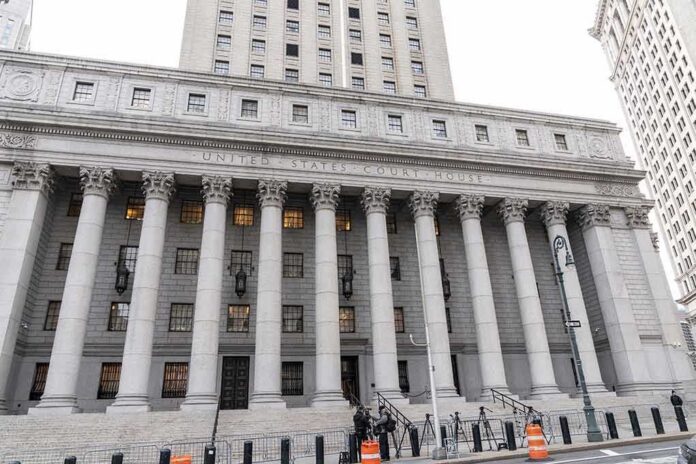
U.S. District Judge Jeannette A. Vargas vacated the State Department’s order that paused immigrant visas for nationals of 75 countries. The court said the directive conflicted with the Immigration and Nationality Act and exceeded Secretary of State Marco Rubio’s authority. The opinion labeled the policy “patently unlawful” and set it aside under the Administrative Procedure Act. The ruling turns the lights back on for thousands of stalled cases and rejects nationality-based blanket refusals.
The judge focused on two core legal limits. First, Congress requires consular officers to make individual “public charge” decisions using a multi-factor test, not a one-size-fits-all rule. Second, federal law bars discrimination in immigrant visa issuance on the basis of nationality. The court said the department’s cable and practice broke both rules, because it told officers to refuse based on country alone rather than the facts of each case.
How the Policy Worked and Who Was Affected
The State Department announced the pause to stop immigrants it said were likely to depend on welfare. The freeze covered 75 countries and halted immigrant visa processing for people otherwise ready to interview or receive final decisions. Advocacy groups and families said internal guidance pushed officers to refuse under Section 221(g) solely due to nationality, even when applicants met all other rules. The court’s ruling rejects that approach and orders a return to normal adjudication.
Immigrant visa applicants must show they are not likely to become a “public charge.” Federal guidance explains this is an individualized judgment that weighs age, health, income, assets, education, and a valid financial sponsor. The law does not allow a blanket presumption based on where a person was born. The new decision brings the State Department back in line with that case-by-case standard and with Congress’s text on fair visa processing.
What Happens Next and The Bigger Picture
The State Department can appeal, but the judge’s order vacates the policy now. That means consulates should resume processing immigrant visas for people from the 75 countries under normal rules. People who faced nationality-based refusals may seek reconsideration as posts restart interviews. The outcome shows that courts will check broad executive moves when they sidestep Congress’s instructions on how visas must be decided.
⚖️ **𝗨𝗦 𝗝𝗨𝗗𝗚𝗘 𝗦𝗧𝗥𝗜𝗞𝗘𝗦 𝗗𝗢𝗪𝗡 𝗧𝗥𝗨𝗠𝗣'𝗦 𝟳𝟱-𝗖𝗢𝗨𝗡𝗧𝗥𝗬 𝗜𝗠𝗠𝗜𝗚𝗥𝗔𝗡𝗧 𝗩𝗜𝗦𝗔 𝗕𝗔𝗡
⚖️ Judge Jeannette Vargas in Manhattan ruled the State Department's visa suspension "manifestly unlawful," finding Secretary of State Marco Rubio exceeded his… pic.twitter.com/psvbjaxkCj
— Vortex Report (@VortexReportX) August 22, 2026
Both right and left can see a lesson here. Leaders promised a tough fix to stop abuse of benefits, but the government used a blunt ban that broke the rules Congress set. Many Americans feel powerful officials cut corners and then get blocked in court for sloppy work. If Washington wants to screen out true public charges, it must do the hard, legal work: fund staff, process cases fast, and apply the law fairly, one person at a time.
Sources:
redstate.com, aol.com, nytimes.com, shepelskylaw.com, theguardian.com, immpolicytracking.org, jeelani-law.com