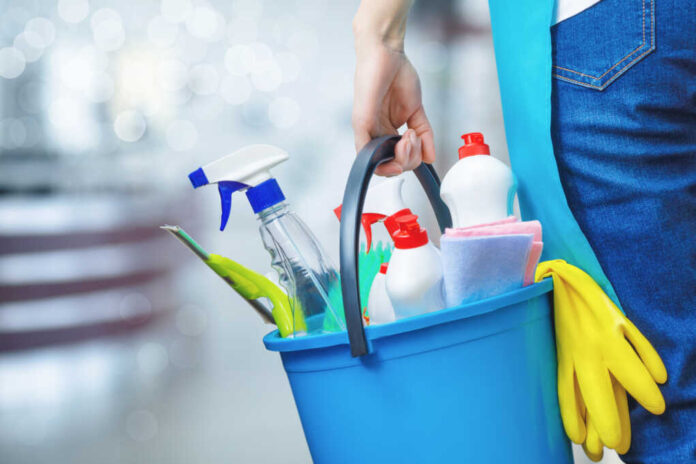
Elite home cleaners are now commanding six-figure salaries from America’s ultra-wealthy, exposing the staggering wealth gap that Biden-era policies helped create while working families struggle with inflation.
Story Highlights
- High-end cleaners earning $100,000+ annually in luxury markets like New York and Miami
- Demand driven by surge in ultra-wealthy households seeking specialized domestic staff
- Average house cleaner salary remains around $29,250, highlighting extreme wealth disparity
- Trend reflects broader labor market disruption from pandemic policies and fiscal mismanagement
Luxury Market Creates New Cleaning Class
The emergence of $100,000 house cleaners represents a troubling symbol of America’s growing wealth divide. While typical cleaning professionals earn approximately $29,250 annually, a select few now command salaries that exceed what many college-educated Americans make. These elite cleaners serve ultra-high-net-worth households in cities like New York, Los Angeles, and Miami, where discretion and specialized skills command premium compensation.
Home cleaners are now demanding $100K salaries in the new era of the uber-rich https://t.co/WWuEaMNZiM pic.twitter.com/i9KW82JKbU
— The Independent (@Independent) October 25, 2025
Biden Era Policies Fueled Wealth Concentration
This phenomenon didn’t emerge in a vacuum. The previous administration’s reckless spending policies and pandemic-era money printing created conditions that disproportionately benefited the wealthy while devastating middle-class Americans through inflation. As the Federal Reserve pumped trillions into the economy, asset prices soared, enriching those who owned stocks and real estate while working families watched their purchasing power erode. The result is an unprecedented concentration of wealth that enables some households to pay cleaning staff more than teachers or nurses earn.
Skills Premium Reflects Labor Market Distortion
These high-paid cleaners aren’t just wiping counters—they’re functioning as household managers with specialized expertise. They handle luxury materials, manage smart home technology, oversee other staff, and maintain strict confidentiality agreements. The pandemic heightened demand for in-home services among affluent families seeking safety and privacy, creating artificial labor shortages that drove wages skyward in this narrow segment while leaving most cleaning workers behind.
Economic Reality Check for Working Americans
While media outlets celebrate these astronomical cleaning salaries, the reality remains stark for ordinary Americans. The cleaning industry’s 20% growth rate and “recession-proof” status masks the fact that most workers earn subsistence wages. This two-tiered system—where a tiny elite commands six figures while the majority struggles—perfectly encapsulates how progressive economic policies have failed working families. Trump’s return to office offers hope for policies that benefit all Americans, not just the ultra-wealthy who can afford $100,000 housekeepers.
Sources:
How Much Do House Cleaners Make – InvoiceFly Academy
Is a Cleaning Business Profitable – Jobber Academy
Home Cleaners Now Demanding $100K Salaries in New Era of Uber-Rich – AOL News
Home Service Business Ideas – ServiceTitan Blog