President Trump’s own White House pushed Congress to delay a hemp ban that would directly help the family of his chief of staff, Susie Wiles.
Quick Take
- The White House pressed senators to pause a nationwide ban on intoxicating hemp products right before it was set to start.
- The delay would help MC Nutraceuticals, a hemp company run by Bret Worley, who is married to Wiles’ daughter.
- A White House spokesman denies Wiles lobbied for the change and says the push is about a broader THC policy plan.
- Republican senators are split, with some accusing the administration of playing favorites.
- No public ethics review has been released to settle the conflict-of-interest questions.
A Late-Night Call Changes the Bill
President Trump personally called Senator Ted Budd this week to argue against letting a hemp-derived THC ban take effect. He told Budd the White House is “working on a broader framework” for medical THC products and did not want that work complicated by the ban taking hold in November. Senators then folded a delay into the government funding bill under pressure from the administration.
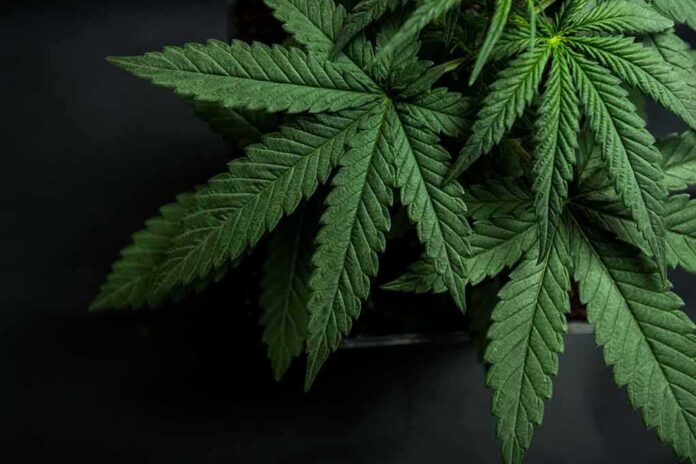
The ban was written into last year’s spending law and was set to outlaw most hemp-derived THC products by mid-November. The new proposal would push that deadline back to December 11, while still banning synthetic THC. Critics say the short delay looks less like a policy fix and more like a favor for one connected family.
Who Benefits From the Pause
Bret Worley runs MC Nutraceuticals, a major seller of hemp-derived products. He is married to Susie Wiles’ daughter. The New York Times reports the White House has been “actively advocating” for Congress to reconsider the ban in a way that would “notably benefit” Worley’s business. Worley’s company has also urged industry allies to pressure lawmakers directly.
White House Denies Direct Lobbying
White House spokesman Kush Desai pushed back hard on claims that Wiles used her position to help her son-in-law. “The Chief of Staff has never lobbied in favor of this or any other position on hemp with Capitol Hill,” Desai said. Administration officials instead point to President Trump’s December executive order and an April social media post as the real basis for the policy.
Republicans Split Over the Maneuver
Not every Republican is buying the explanation. NBC News reports lawmakers have openly complained about the White House’s hemp push, and the Senate parliamentarian cleared a Budd amendment aimed at killing the delay entirely. The fight has slowed what should have been a routine funding vote, turning a niche hemp rule into a public test of trust inside the party.
The White House Wants to Save Hemp & Earnings Season | This Week in Cannabis Live https://t.co/S3j4YBLeQm
— Jeremy Berke (@jfberke) August 7, 2026
Marijuana Moment reports White House aides Vince Haley and James Braid sent hemp policy suggestions to Representative Andy Barr, showing direct staff involvement in shaping the legislation. The White House also told Senate Republicans there would be no further extensions once this one is enacted, framing it as a one-time fix rather than an open-ended favor.
The Bigger Pattern of Insider Access
This is not the first time Worley’s name has come up in connection with political influence. The Denver Gazette reports a 2025 lawsuit alleged Worley boasted he could use his family ties to secure “political appointments and other favors.” That claim predates the current hemp fight but adds weight to why lawmakers and reporters are asking hard questions now.
No document made public so far proves Wiles personally ordered the delay, and the White House says its motive is a broader THC policy, not a family favor. But the mix of a personal financial benefit, unnamed sources describing internal pressure, and no released ethics review leaves plenty of room for suspicion on both sides of the aisle. Voters frustrated with insider dealing in Washington are watching closely.
Sources:
ms.now, marijuanamoment.net, axios.com, youtube.com