
Mexican soldiers captured “Chapo Isidro” after gunfire and explosives rocked Sinaloa, ending a years-long hunt for one of the FBI’s Ten Most Wanted fugitives.
Story Snapshot
- Mexican forces seized Fausto Isidro Meza-Flores in Guasave, Sinaloa, amid attacks with gunfire and explosives.
- U.S. officials charged him in 2012 and again in 2019; the FBI named him to its Ten Most Wanted list in 2025.
- The FBI offered up to $5 million for tips; agents say he trafficked heroin, meth, cocaine, fentanyl, and marijuana.
- Scholars warn high-profile captures can splinter cartels and spark more local violence even after a major arrest.
Arrest Amid Violence In Sinaloa
Mexico’s Defense Secretariat said troops arrested Fausto Isidro Meza-Flores in Guasave, Sinaloa. Officials reported that armed groups attacked with gunfire and explosives as the operation unfolded, and that criminals set up roadblocks across the area. News outlets described chaos near a baseball game as shots rang out and fans took cover. The operation highlighted how cartel leaders often move with heavy protection, and how arrests can trigger fast pushback on city streets.
Mexican officials said U.S. intelligence support aided the operation, signaling ongoing cross-border cooperation against trafficking networks. Authorities did not release detailed tactics or name specific U.S. agencies involved. After the arrest, security forces expanded patrols to contain further clashes and clear blockades. Reporters on the ground shared images of burned vehicles and disrupted traffic. The episode matched past cartel responses meant to stall police movement and test the state’s control of key routes.
Why U.S. Authorities Targeted Meza-Flores
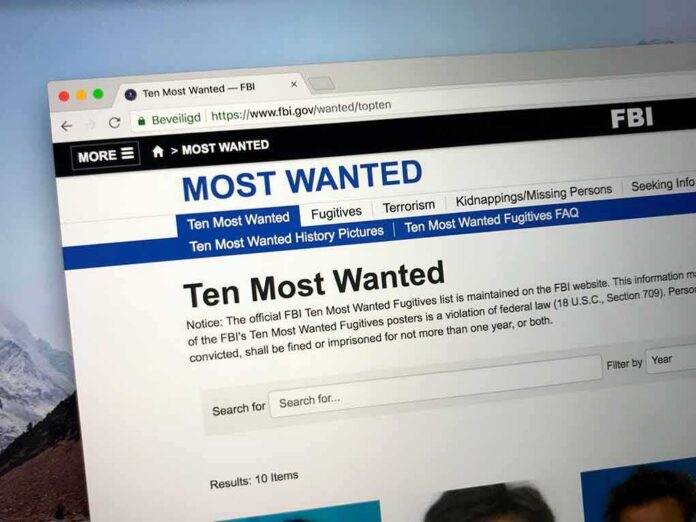
The U.S. State Department lists a May 2, 2012 indictment in Washington, D.C., charging Meza-Flores with international drug crimes and firearms violations under U.S. law. The Federal Bureau of Investigation (FBI) says a grand jury issued a superseding indictment on November 26, 2019, updating trafficking and firearms counts. On February 4, 2025, the FBI added him to its Ten Most Wanted list and announced a reward up to $5 million for information leading to arrest and conviction.
An FBI wanted poster says Meza-Flores possessed, distributed, and imported large amounts of heroin, methamphetamine, cocaine, fentanyl, and marijuana into the United States. That poster, along with the reward notice, signaled how high U.S. agencies ranked him as a target. These actions are allegations until tested in court. Still, the Ten Most Wanted label is rare and reflects the government’s view that his role fueled deadly drugs and violence across the border.
What This Means For Safety On Both Sides Of The Border
Researchers studying Mexico’s “kingpin strategy” find a pattern: remove a cartel boss, and smaller groups often appear and fight over turf. A Cambridge study tracking more than 450 groups from 2009 to 2020 found leadership removals linked to more fragmentation. A West Point analysis found captures often lead to new splinters and more violence, at least in the near term. That risk is real in Sinaloa now, where rival factions may test the state and each other for control.
🚨 EL CHAPO ISIDRO CAPTURED IN SINALOA
Mexican forces have captured Fausto Isidro Meza Flores, known as “El Chapo Isidro,” in Guasave, Sinaloa. The operation also ended with two other senior members of his organization in custody. https://t.co/XOv10cc15g
🪖 THE OPERATION
🔹… https://t.co/LMYcWa2bQM pic.twitter.com/vW5Rge9UCr
— Gunnys Adventures (@DerrickSalas9) November 21, 2026
For American families, the arrest is both a win and a warning. It removes a figure the FBI tied to fentanyl and other lethal drugs that kill tens of thousands each year. It also reminds us that traffickers adapt fast when leaders fall. Conservatives see a need for tough border and cartel enforcement. Liberals stress treatment, economic support, and curbing corruption. Most agree government must deliver real results, not headlines, against the networks poisoning communities.
What To Watch Next
Watch for Mexico to move Meza-Flores into a high-security facility and begin court steps that could lead to extradition. U.S. prosecutors will likely press the 2012 and 2019 cases, which cover cross-border trafficking and guns. In Sinaloa, monitor whether clashes fade or spread as factions reposition. On policy, expect calls in Washington and Mexico City for tighter joint operations, stronger port inspections, and more resources to hit the chemicals, cash, and guns that feed these groups.
Sources:
mediaite.com, cnn.com, hindustantimes.com, newsweek.com, state.gov, theweek.in, ijhpm.com, cambridge.org, congress.gov