Former Attorney General Bill Barr warned that Boulder’s climate lawsuit could punish energy producers for a global problem as the United States Supreme Court weighs the case’s future.
Story Snapshot
- The Supreme Court agreed to hear ExxonMobil and Suncor’s bid to stop Boulder’s climate case.
- Boulder alleges the companies deceived the public and drove local climate harms.
- Bill Barr called the suits “voodoo” and a threat to the energy economy.
- The legal fight could reshape who pays for climate costs—ratepayers, taxpayers, or firms.
What Boulder Claims Against ExxonMobil and Suncor
The City and County of Boulder say ExxonMobil and Suncor knew their products would worsen climate change. The amended complaint alleges the companies’ production, promotion, refining, marketing, and sale of fossil fuels played a substantial role in harms to local property, health, and safety. Boulder argues the firms misled the public about risks. The suit seeks money to cover costs like flood control, wildfire work, and infrastructure repairs tied to heat and extreme weather.
Colorado courts let the case move forward under state law. In 2025, the Colorado Supreme Court rejected defense bids to block the tort claims in state court, allowing Boulder’s damages claims to proceed. Boulder officials say the case is about truth and local costs, not national climate policy. The complaint follows a broader legal trend that targets alleged deception and seeks to turn widespread climate harm into recoverable local losses.
Why the Supreme Court Stepped In Now
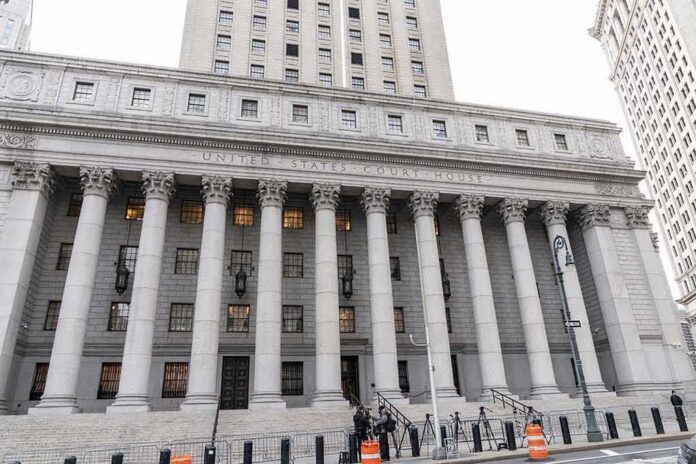
The United States Supreme Court agreed in February to hear ExxonMobil and Suncor’s effort to end the suit before trial. The companies argue that global emissions policy cannot be set through many state tort cases. They say federal law and cross-border issues make local claims improper. A merits brief filed in 2026 highlights that the Clean Air Act does not wipe out all state claims, but the scope and limits of such suits remain contested.
The justices will examine whether claims like Boulder’s can proceed and under what legal theory. A decision could affect dozens of similar cases in other states. If the Court narrows these claims, many suits may stall. If it allows them, discovery and damages could expand fast, raising the stakes for companies, investors, insurers, and consumers who pay energy bills.
Barr’s Critique: Global Problem, Local Lawsuits
Former Attorney General Bill Barr called Boulder’s approach “voodoo” litigation. He argues one state cannot use its laws to pin liability for a worldwide phenomenon on a few firms. He warned a single court win could cripple companies and that the lawsuit process itself is costly enough to act like punishment. He also noted that foreign state-owned energy giants enjoy sovereign immunity, leaving private firms to carry the legal risk.
Barr said these cases could distort investment plans by making companies steer capital away from domestic energy projects due to lawsuit risk. Supporters of the suits counter that alleged deception and failure to warn are classic tort issues that state courts handle all the time. They say local taxpayers should not shoulder costs if companies misled the public. The Supreme Court’s ruling will shape which view prevails in courtrooms nationwide.
What Both Sides Say About Who Should Pay
Boulder says taxpayers already pay for fires, floods, heat, and pests linked to a warming climate. Local leaders argue companies that produced, promoted, and sold the fuels—while downplaying risks—should help cover mounting bills. They point to projects like wildfire mitigation and flood control that strain local budgets and crowd out other services. Cities and counties with tight finances see these cases as one of the few tools left to recover costs.
Energy companies and their allies reply that elected officials, not juries, should set climate policy. They warn that tort verdicts could raise energy prices for families and small businesses. They add that piecemeal state rulings risk conflicting standards. That, they say, helps the well-connected and hurts workers, ratepayers, and the many industries that rely on affordable power. The Supreme Court’s decision will tell investors and communities which path the nation is on.
Sources:
washingtontimes.com, oyez.org, bouldercounty.gov, climateintegrity.org