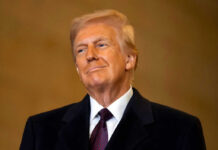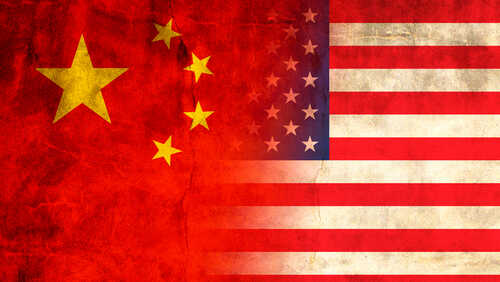
President Trump heads to Beijing this week for the first U.S. presidential visit to China in nearly a decade, as American CEOs tag along hoping for trade wins while ordinary citizens wonder if the government elite are cutting deals that benefit corporations over working families.
Story Snapshot
- Trump’s May 13-15 state visit marks first sitting U.S. president in China since 2016
- Summit agenda includes trade tariffs, Iran conflict leverage, Taiwan tensions, and potential Boeing aircraft deals
- U.S. CEOs accompanying Trump for separate business meetings, raising questions about who benefits from diplomatic deals
- Visit postponed earlier in 2026 due to Iran crisis, where China remains Tehran’s largest oil buyer and key ally
- Experts warn of vague outcomes that blur economic and security interests while leaving strategic tensions unresolved
First Presidential Visit in Nearly a Decade
Beijing confirmed Trump’s three-day state visit starting Wednesday, May 13, 2026, marking the first time a sitting U.S. president has traveled to China in almost ten years. The White House described the meeting as “highly symbolic,” while Chinese officials stated their readiness to work with Washington for “more global stability.” The trip, originally scheduled for early 2026, was postponed as Trump prioritized the escalating Iran conflict and Strait of Hormuz crisis. The delay underscores how Middle East tensions now shape U.S.-China diplomacy, particularly given Beijing’s role as Iran’s primary oil customer and diplomatic supporter.
Corporate Interests Take Center Stage
Trump is bringing a delegation of U.S. CEOs to Beijing for direct meetings with Chinese counterparts, with Boeing representatives among those seeking aircraft purchase agreements and expanded market access. American farmers and agricultural exporters also hope for breakthrough deals to restore trade flows disrupted by years of tariff battles. This arrangement raises concerns familiar to frustrated citizens on both left and right: are these high-stakes summits designed to help working Americans, or do they primarily serve corporate executives and wealthy shareholders? The inclusion of business leaders in diplomatic missions blurs the line between national interest and private profit, feeding suspicions that the political class governs for elites rather than ordinary people.
Trade Pragmatism Versus Security Realities
The summit agenda centers on managing trade tensions through tariff pauses and semiconductor material flows, building on a previous October 2025 meeting in Busan, South Korea, that temporarily de-escalated economic confrontation. That earlier deal paused China’s rare earth export controls and U.S. tariffs under the International Emergency Economic Powers Act, creating what experts call a “managed trade relationship” that blurs economic and security boundaries. Trump seeks Chinese cooperation on the Iran conflict, hoping Beijing will pressure Tehran toward diplomatic resolution or resumed nuclear negotiations. Taiwan remains a persistent friction point, with U.S. allies worried about potential concessions in closed-door negotiations. Brookings Institution scholars note these deals produce “momentary de-escalation, not permanent” solutions, as both sides maintain strategic leverage for future confrontations.
Vague Outcomes and Unresolved Tensions
Past Trump-Xi agreements reveal a troubling pattern of mismatched interpretations and vague readouts that leave core disputes unresolved. The Busan summit illustrates this problem: U.S. officials claimed China eliminated rare earth export controls, while Beijing’s statements remained far less definitive, preserving ambiguity for future leverage. Taiwan discussions follow similar patterns, with Trump claiming the issue was omitted from talks while Chinese officials stay silent, creating uncertainty about actual commitments. Experts warn that Beijing’s goal is simply halting U.S. expansions such as new tariffs or sanctions, not addressing underlying strategic competition. This approach benefits government officials and corporate dealmakers who can claim diplomatic victories, while working Americans remain caught in the crossfire of trade wars and economic instability, wondering why their leaders cannot secure clear, lasting agreements that prioritize national interests over political theater.
The summit could shape Trump’s second-term legacy and influence critical sectors from shipbuilding to semiconductors, but the lack of transparency and history of ambiguous outcomes suggest ordinary citizens should approach official announcements with skepticism. Whether this meeting produces genuine progress or merely another round of elite dealmaking remains to be seen when Trump and Xi sit down at Beijing’s Temple of Heaven on day two of the visit.
Sources:
Trump’s China visit set to test fragile truce
What happened when Trump met Xi
U.S. President Donald Trump to pay state visit to China …