
President Trump stands firm on withdrawing the United States from the World Health Organization even as a hantavirus outbreak raises questions about international health coordination, declaring America is independently equipped to handle public health challenges.
Story Snapshot
- Trump executed formal WHO withdrawal via Executive Order 14155 on Inauguration Day 2025, cutting over $500 million in annual funding
- President dismissed calls to reconsider withdrawal amid hantavirus outbreak, stating “We’re in very good shape”
- U.S. terminated WHO funding, recalled personnel, and shifted to domestic CDC-led health strategy
- Withdrawal stems from longstanding grievances over WHO’s handling of COVID-19 and alleged pro-China bias during Wuhan investigations
Trump Finalizes WHO Exit on Day One
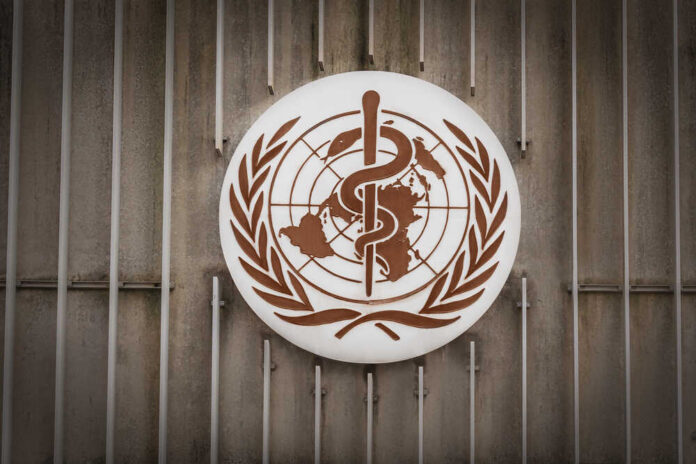
President Trump signed Executive Order 14155 on January 20, 2025, his first day back in office, officially initiating America’s departure from the World Health Organization. The Department of Health and Human Services immediately terminated funding contributions exceeding $500 million annually and began recalling U.S. personnel stationed at WHO headquarters in Geneva. This action fulfilled a campaign promise dating back to Trump’s first term, when he initially announced withdrawal intent in April 2020 over the organization’s COVID-19 response failures and perceived deference to Chinese Communist Party narratives about the Wuhan origins of the pandemic.
Hantavirus Outbreak Tests Independent Health Strategy
Shortly after the withdrawal announcement, a hantavirus outbreak emerged domestically, prompting critics to question the timing of severing ties with international health coordination bodies. Hantavirus, a rodent-borne pathogen endemic to regions like the U.S. Southwest, periodically causes sporadic outbreaks through exposure to infected rodent droppings, urine, or saliva. The virus can trigger severe respiratory complications with fatality rates approaching fifty percent when untreated. Despite these concerns, Trump publicly affirmed he had no plans to reconsider the WHO exit, emphasizing that American health agencies like the CDC possess the capability and expertise to manage domestic outbreaks without international bureaucratic oversight.
America First Health Policy Asserted
The administration’s position reflects a broader philosophy of national sovereignty over global governance structures that many Americans believe failed them during COVID-19. Trump and HHS officials argue the WHO demonstrated institutional incompetence, delayed transparency, and political bias that cost American lives and livelihoods during the pandemic. By redirecting funds previously sent to Geneva, the administration claims it can strengthen domestic health infrastructure, accelerate biomedical innovation including mRNA technologies, and establish bilateral health partnerships with nations sharing American values. This approach resonates with citizens frustrated by government officials who appear more committed to international elites than to protecting everyday Americans from threats both foreign and domestic.
Financial and Strategic Implications
The U.S. contribution represented approximately fifteen to twenty percent of WHO’s total budget, creating significant financial pressure on the organization following the withdrawal. American taxpayers will see those funds reallocated to domestic priorities and bilateral health initiatives, with the administration positioning the United States as the world’s leading independent health authority. Critics warn this creates coordination gaps during potential pandemics requiring multilateral response, pointing to diseases like Ebola that demand international cooperation. However, administration officials counter that hantavirus, like many endemic pathogens, requires localized public health responses rather than global bureaucratic management, validating their decision to prioritize American self-sufficiency over dependence on institutions that have repeatedly demonstrated failure when accountability matters most.
The withdrawal process is now complete as of May 2026, with no reversal despite ongoing public health challenges. Trump’s “America First” health doctrine represents a fundamental shift away from post-World War II multilateralism toward bilateral partnerships and domestic innovation, a transformation that reflects growing bipartisan frustration with unelected international bodies that consume taxpayer dollars while delivering questionable results. Whether this independent approach strengthens or weakens America’s pandemic preparedness remains a subject of intense debate, but the administration’s confidence that “we’re in very good shape” signals an unwavering commitment to national sovereignty in health policy that echoes the concerns of millions who believe their government must answer to citizens rather than to global elites in distant capitals.