The United States’ ambassador to Israel condemned an ongoing settler siege of Palestinian homes in Qusra as “terror,” while Israeli troops struggled for days to stop it, underscoring a breakdown of order that alarms people across the political spectrum.
Story Snapshot
- Settlers blocked three Palestinian homes in Qusra, cutting water and power, and restricting movement.
- Israeli forces clashed with settlers and later deployed more troops but failed to fully clear them at first.
- The U.S. ambassador issued a rare, sharp rebuke, calling the siege an act of terror.
- The United Nations urged protection for trapped families as supplies dwindled.
What Happened in Qusra
Reuters reported that Israeli settlers closed the road to three Palestinian homes in Qusra, set up a tent in the yards, and cut water and electricity. Families could not enter or leave. The standoff stretched over several days. Israeli troops moved into the area and even took positions inside some homes, according to local officials. The actions raised fears of forced displacement and a push to seize land by establishing a presence at the doorstep of the properties.
Israeli troops tried to disperse the settlers and dismantle the outpost. Witnesses said soldiers clashed with settlers, but later withdrew after failing to clear the group. The army then sent more troops to the village to restore order and declared parts of the area a closed zone, according to multiple outlets. The uneven response fueled concern that law enforcement could not or would not restrain civilian actors on the ground.
Sharp U.S. Rebuke and Global Calls to Protect Families
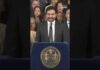
The United States ambassador to Israel, Mike Huckabee, called the siege a “horrific act of terror,” a rare rebuke given his past support for settlements. The comment signaled deep concern in Washington about vigilante actions and their impact on regional stability. The United Nations human rights office urged Israeli authorities to protect the trapped families and ensure access to essentials, highlighting that children were among those confined in the homes.
The Israeli military publicly condemned the settler actions as illegal and unacceptable, according to reporting cited by major outlets. That stance placed the army, at least on paper, in opposition to the siege. Still, on the ground, settlers kept their positions for days. That gap between statements and outcomes raised questions shared by many readers about whether authorities can enforce their own rules when politically connected actors defy them.
Why This Matters Beyond Qusra
This incident fits a pattern in the northern West Bank where small groups create “facts on the ground.” They do this by setting up tents or barriers, blocking movement, and pressuring families to leave. Human rights monitors have warned that this approach has spread and that authorities often respond late or unevenly. The cycle fuels anger and fear on both sides and makes any path to calm more remote with each clash or blockade.
🟥 UPDATE NUMBER THREE | 13 AUGUST 2026
🔳 Journalists on the ground
🟥 CENTRAL PALESTINE
🔳 In Qusra, south of Nablus, the israeli settler siege of Palestinian families continued under the eyes of israeli forces. israeli settlers had blocked access to homes and cut water and… pic.twitter.com/ZTkn24co7S
— shameen suleman (@shameensuleman) August 13, 2026
For Americans watching from home, the story touches shared concerns about power without accountability. People on the right and left worry when officials condemn abuses yet fail to stop them. They see a system that talks tough but protects the well-connected. In Qusra, families lost basic services and freedom of movement while government forces hesitated. That looks like rules for some and impunity for others, a pattern many fear is growing worldwide.
Sources:
military.com, reuters.com, thenationalnews.com, bbc.com, aljazeera.com, amnesty.org, btselem.org