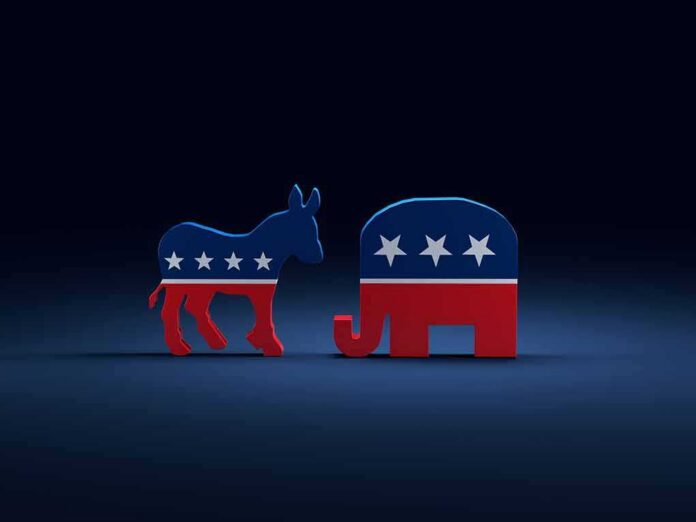
Mark Cuban again rejected both major parties and urged case-by-case voting, sharpening a message that speaks to Americans fed up with a system they see as serving elites, not voters.
Story Snapshot
- Cuban says he is an independent who judges each issue on its own merits.
- He has said he would get rid of both parties if he could, calling them obstacles to solutions.
- He backed a Democrat in 2024 while blasting Democrats’ “Trump sucks” message as weak strategy.
- Experts say public “independent” branding is often weighed against actions like endorsements.
Cuban’s Stated Identity: Independent First, Not Party First
Mark Cuban told interviewers he is not a Republican or a Democrat and identifies as an independent. He said he evaluates every issue on its own and avoids party dogma, stressing that each problem needs its own fix. He has repeated that view for years, including saying he would be more likely to run as an independent than as either party’s nominee if he ever entered politics. These claims set the baseline for how he wants voters to read his public comments and choices.
Cuban also argues the two-party system blocks progress. He has said he would eliminate both parties if he could “wave a magic wand,” because party brand loyalty pressures people to vote the same way and punishes different views. That stance echoes his long record of calling party structures “useless” and urging Americans to think as citizens first, not as party members. This argument resonates with voters who feel Washington rewards insiders and lobbyists over practical results.
How His Actions Are Read Against His Words
Cuban supported the Democratic ticket in 2024, saying he believed Kamala Harris would be a better president, while insisting he still judged issues one by one. He also criticized Democrats’ communications strategy, saying a constant “Trump sucks” message is not how to win or persuade the country. Analysts often weigh self-described independence against visible behavior such as endorsements and media appearances, especially for celebrities who are not running for office. That tension shapes how audiences interpret Cuban’s brand.
Research on celebrity politics shows endorsements can matter, but their power varies by context and audience. Studies find celebrity backing can boost attention and rally people already leaning that way, though effects are uneven across groups and elections. Media framing also affects how people sort into parties. When partisan cues are loud, people harden into their camps; when nonpartisan identity is salient, framing can reduce polarization. Cuban’s independent pitch aims for that nonpartisan space, even as endorsements pull viewers back to party signals.
Why This Message Lands Now With Tired Voters
Millions on the right and left feel the government fails at core tasks. People see rising costs, culture fights, and gridlock that seem to serve the well-connected more than working families. Cuban’s call to judge issues, not teams, taps into that shared frustration. He has said he leans right on money issues and a bit left on social issues, but he rejects rigid lines and urges practical fixes over slogans. That tone targets citizens who want cheaper drugs, safer streets, fair rules, and honest budgets.
Independent voters are also growing in number across many states, creating headaches for both parties and openings for cross-pressured messages. Cuban’s critique of party incentives speaks to that bloc’s concern that politicians chase wins for their side, not results for families. The test is consistency. Voters track who someone backs, what they praise, and what they condemn. For Cuban, the measure will be whether his future stands keep matching his words about thinking independently, not just when it is easy, but when it costs.
Sources:
en.wikipedia.org, youtube.com, yahoo.com, facebook.com, theverge.com, usatoday.com, foxnews.com, time.com, axios.com, cnbc.com