
U.S. religious-freedom investigators say armed Fulani-linked militants have repeatedly struck Christian communities during Christmas, including a pre-Christmas massacre that killed more than 190 people.
Story Highlights
- U.S. religious-freedom reports document lethal Fulani-linked attacks on Christian communities
- Christmas and Easter periods are cited as recurring windows for high-impact assaults
- Plateau State saw over 190 killed the weekend before Christmas in one documented case
- Local warnings often met slow or absent security response, according to multiple reports
What U.S. religious-freedom investigators have confirmed
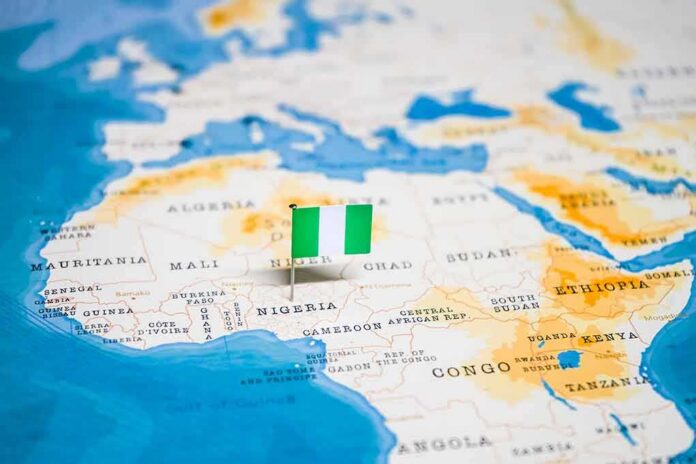
The U.S. Commission on International Religious Freedom (USCIRF) reports that armed actors from Fulani ethnic backgrounds carried out some of the most visible and deadly attacks on religious communities in Nigeria, often but not only against Christians. USCIRF links these actors to village raids, church burnings, and abductions across Nigeria’s Middle Belt states. The reports focus on patterns of harm and do not frame all Fulani people as culpable, drawing a line between militants and civilians to avoid collective blame.
USCIRF describes a troubling timing pattern. The commission states that militant actors have often attacked during Christian holidays, including Christmas and Easter. These dates bring large gatherings and predictable routines, which make communities more vulnerable. The pattern does not prove religious motive in every case, but it shows that attackers have used holy days to maximize fear and social damage for Christian families and churches during major celebrations.
Documented Christmas-period mass killing in Plateau State
USCIRF’s reporting documents a major pre-Christmas massacre in Plateau State, where attackers killed more than 190 people in Christian villages during the weekend before Christmas. The attack also claimed the life of Baptist minister Solomon Gushe and his family. The death toll stands out even in a region used to violence. The event anchors concern that Christmas has become a period of acute risk for Christian communities in Nigeria’s Middle Belt.
USCIRF’s 2026 annual report says ethnic Fulani militants escalated attacks in 2025, including a March incident in Plateau State that left at least 52 dead and sent many Christians fleeing their homes. The commission’s country brief adds that nonstate actors burned churches and kidnapped or killed clergy in several Middle Belt states, where many targeted communities are Christian-majority. The pattern suggests layered causes, but with clear religious exposure for Christians on the ground.
Security response gaps and why they matter now
Multiple USCIRF publications relay local claims that police and military units were slow to respond, even after early warnings from threatened villages. Some communities alleged that forces avoided responding until after attacks. These are serious allegations, and the reporting presents them as claims rather than court-tested findings. Still, repeated accounts of delayed or absent protection point to state weaknesses that leave civilians exposed when it counts most.
A written statement to a U.S. House committee by human-rights advocate Nina Shea relays that the group Equipping the Persecuted warned Nigerian authorities of a possible attack but received no protection. That account, while advocacy testimony, matches USCIRF’s recorded pattern of slow or missed responses. The lack of timely action does more than raise casualty counts. It also erodes public trust and leaves thinner official records for later investigations and justice efforts.
How the broader picture resists simple labels
Nigerian officials and some analysts argue the threat affects people of many faiths, not only Christians, and note continuing security cooperation with the United States. That framing highlights insurgents and criminals who harm diverse communities. USCIRF’s own work supports a mixed-cause conflict where religion, ethnicity, land pressure, and crime overlap. Even so, USCIRF’s record shows Christian communities face distinct risk around holidays and in the Middle Belt.
Readers across the political spectrum share a core worry here: when governments move slow, ordinary people pay the price. USCIRF’s findings point to specific fixes. Authorities can verify warning logs, improve rapid response, and publish after-action reports. Investigators can map command networks of armed groups and secure evidence on motive, targeting, and financing. Clearer records can protect civilians now and help courts later. That work should start before the next holiday season, not after it.