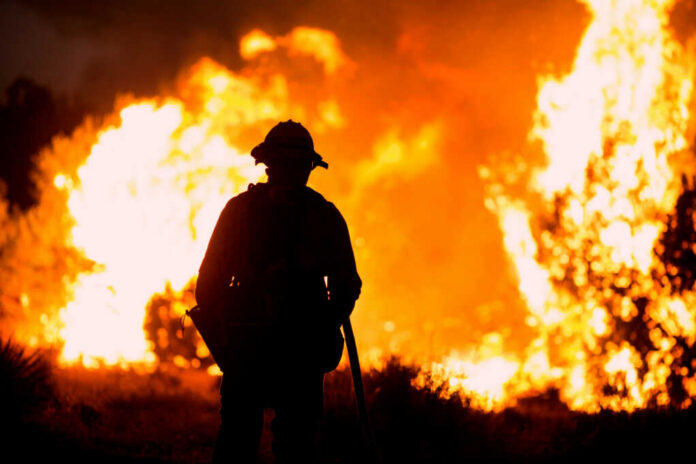
Utah’s biggest active wildfire is human-caused, zero percent contained, and torching communities while officials struggle to keep facts straight.
Story Snapshot
- Officials classify Utah’s Cottonwood Fire as human-caused while probe into exact spark continues [1].
- Governor says the blaze is Utah’s most destructive for property loss and acted in unprecedented ways [13].
- Reports put the fire’s size past 92,000 acres with zero percent containment and fierce winds [8].
- Confusion over acreages and a Nebraska fire with the same name clouds public messaging [4].
What Authorities Confirm So Far
Utah fire officials say the Cottonwood Fire is human-caused, but investigators have not yet pinned down the exact ignition source. They state the probe is active and ongoing. This means people likely sparked it, but the “how” and “who” remain open. The classification supports burn bans and prevention orders. It also raises tension as people want answers now. A clear, final cause report does not yet exist for public review [1].
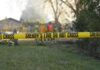
Governor Spencer Cox visited the burn area and said the fire did not behave like others. He said it was almost impossible to protect buildings as the flames ran through dry fuels with strong winds. He also called it the most destructive wildfire in Utah history for property loss. Crews credit fast evacuations for preventing deaths, even as homes and key assets were hit hard during the first, chaotic hours [13].
How Big Is It, and Why Are Numbers Messy?
Local outlets report the fire has surged beyond 92,000 acres, with zero percent containment reported at one point as winds pushed the front toward nearby towns. That aligns with field video, smoke plumes, and red flag warnings that made control lines fail. Still, acreage tallies vary by outlet and update time. Rapid fire growth, smoke, and access limits often cause estimates to lag facts on the ground during peak spread [8].
Confusion also stems from a separate “Cottonwood Fire” in Nebraska. Some reports and social posts mixed details, including size and containment figures, between the Utah and Nebraska incidents. This kind of cross-fire name clash is common and erodes trust when people most need clear data. Utah residents should rely on state and county updates tied to Beaver and Piute Counties to avoid crossed wires with Nebraska [4].
Cause Debate, Rumors, and Real Gaps
Some social media posts mention target shooting as a possible spark. Officials have not confirmed that claim. The gap between the “human-caused” label and a named ignition source leaves room for rumors to spread. That frustrates people across the political spectrum who think agencies speak in half-answers. A finalized investigation, with evidence and timelines, would close that gap and help communities learn and prevent a repeat [7].
Authorities have not released a full count of destroyed structures or dollar losses. The governor said assessments are hard while hot spots keep flaring and areas stay unsafe. That limitation is normal during an active incident, but it slows insurance claims and help for families. It also fuels doubt about readiness and whether years of policy and budget choices left crews and towns exposed to a known risk [12].
Policy Moves, Power Cuts, and What Comes Next
State leaders issued emergency measures and banned fireworks around the July 4 holiday to lower new ignition risks. Crews warned that strong winds and dry fuels would drive rapid spread, and power managers cut electricity in some areas to prevent new sparks from lines. That trade-off protects lives but hits families and small businesses already under stress. Residents should prepare for shifting evacuation alerts as weather changes hour by hour [8].
For many Americans, this event hits a nerve. People on the right see years of brush buildup, slow federal action, and mixed messages. People on the left see stressed communities, aging grids, and uneven help for those with the least. Both sides see a system that talks big but fumbles basics like clear data and steady staffing. Clear, single-source updates, plus a public after-action report with timelines and lessons, would be a real step toward trust.
What To Watch
Watch for a formal cause report that explains the specific ignition and evidence trail. Look for a verified structure loss count and cost estimate so aid can match need. Check daily maps from Utah incident managers for consistent acreage and containment. Expect weather to drive operations; a shift in winds or a drop in humidity can flip progress into new evacuations in hours. Steady, verified updates will matter more than fast, loose numbers [8].
Sources:
[1] Web – The largest active wildfire in the U.S. has now exploded to more than …
[4] Web – CottonwoodFire MIDDAY UPDATE, June 24,2026 The fire is …
[7] Web – The Cottonwood Fire burned through structures as it exploded in …
[8] Web – The Cottonwood Fire burned through structures as it exploded in …
[12] Web – Uncontained Cottonwood Fire burns 92,000 acres in Southern Utah
[13] Web – ‘It’s End-of-Days-Type Stuff’: Wildfires Rage in Utah’s Mountains