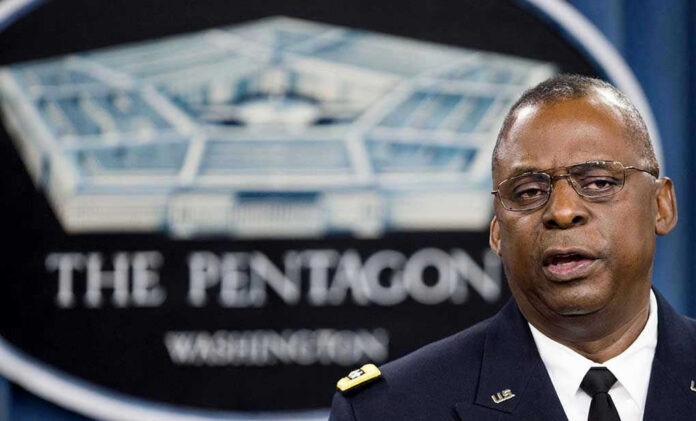
The Pentagon has turned its own press office into a “classified” zone and locked out reporters, raising serious questions about transparency, constitutional rights, and who actually controls the flow of information in wartime America.
Story Snapshot
- The Pentagon has formally barred reporters from its press office by redesignating it as a classified space.
- Officials claim the move is needed to protect sensitive information and manage classified material.
- Press‑freedom groups say it is part of a broader pattern of restricting access and controlling coverage of the military.
- A federal judge has already ruled earlier Pentagon media rules unconstitutional, heightening scrutiny of this latest step.
Pentagon Redesignates Press Office as Classified Space
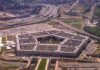
The Defense Department has now declared the Pentagon press office a classified area and explicitly told journalists they are no longer permitted inside, ending decades in which reporters could meet with press staff in that space. Pentagon officials say the office was redesignated as a sensitive compartmented information facility because speechwriters and other staff were regularly handling classified material there and needed a more secure environment. The move follows a series of updated physical control measures that already sharply limited unescorted media access inside the building.
Under the 2025 physical control measures, credentialed reporters were already confined to specific corridors, floors, and time windows, with their movements tightly regulated by escorts and badge rules. Those rules made clear that media access was never “open campus” and that the Pentagon reserved the right to restrict which areas could be entered without an escort. By turning the press office itself into a classified zone, however, the department has taken the additional step of removing one of the last remaining locations where journalists could have informal, face‑to‑face contact with press staff inside the building.
Security Rationale Versus Accusations of Message Control
Pentagon leaders argue that the reclassification is a logical extension of their responsibility to safeguard national defense secrets, especially as staff draft speeches, guidance, and internal talking points that may reference ongoing operations. Supporters inside the national security community note that the Pentagon has always operated on layered access controls and that registered press access only developed gradually from the Truman years onward, never as an absolute right to roam the building. They say that keeping classified work away from public‑facing spaces is a basic counterintelligence measure, not an attack on the First Amendment.
Press‑freedom advocates and media organizations counter that the pattern tells a different story: step by step, Pentagon officials have narrowed where reporters can go, what they can see, and how they gather information.[2] Earlier media rules demanded that journalists pledge not to seek information not explicitly cleared for release, effectively trying to regulate the reporting process itself rather than just physical access.[1] Critics argue that redesignating the press office as classified fits this same model—limiting spontaneous questions, restricting informal conversations, and channeling the public’s understanding of military policy into tightly scripted briefings and written statements.[2]
Court Rulings, Reporter Backlash, and Constitutional Concerns
These new restrictions land in the shadow of a major legal defeat for the Defense Department. In New York Times v. Department of Defense, a federal judge in Washington, D.C. ruled in 2026 that key pieces of the 2025 Pentagon press rules violated the First and Fifth Amendments by engaging in viewpoint discrimination and censorship.[1] The court found that conditioning access on journalists agreeing not to gather unapproved information went beyond reasonable security rules and crossed into unconstitutional control over news content.[1]
Following those rulings and the subsequent policy changes, many Pentagon reporters publicly turned in their access badges rather than sign the restrictive pledge or accept limited access that they said would compromise independent coverage of the military.[2][3] Video from the building showed correspondents describing the new regime as an attempt to replace on‑the‑ground reporting with managed, public‑relations‑style messaging.[2][3] The National Press Club and other organizations have since warned that barring journalists from the press office itself is one more step in an “escalating pattern” of restrictions that undermines trust and transparency at the very institution that oversees America’s wars.[2]
A Broader Fight Over Transparency in a Time of War
Former defense officials and academic analysts describe this clash as part of a recurring struggle between national security bureaucracy and an independent press. They note that Pentagon access has swung over time, with more openness during some eras and heavy clampdowns after leaks such as the Pentagon Papers, all under the banner of protecting sensitive information. The unresolved question is whether current restrictions are narrowly tailored to prevent disclosure of genuine secrets, or whether they function in practice to shield officials from scrutiny and uncomfortable questions.[1]
🚨🇺🇸 The Pentagon just classified its own press office and locked reporters out of it, and that should give everyone pause…
The War Department redesignated the office as a secure facility, citing speechwriters who now share the space and handle classified material.
The… pic.twitter.com/J38OhyC7Aa
— Mario Nawfal (@MarioNawfal) June 2, 2026
For citizens who care about constitutional limits on government power, the stakes are clear. The Pentagon controls the armed forces, vast budgets, and the machinery of war; when its leaders redesign key public‑facing spaces as “classified,” the result is fewer opportunities for direct questioning and more reliance on curated narratives.[2] Whether one trusts or distrusts the national press, the long‑term health of the First Amendment rests on the ability of independent reporters—not government gatekeepers—to decide what questions get asked inside the nation’s most powerful institutions.[1][2]
Sources:
[1] Web – Pentagon defends banning reporters from press office by turning it …
[2] Web – Pentagon Rules for the Press, 2025 | The First Amendment …
[3] YouTube – Pentagon journalists turn in access badges after rejecting …