

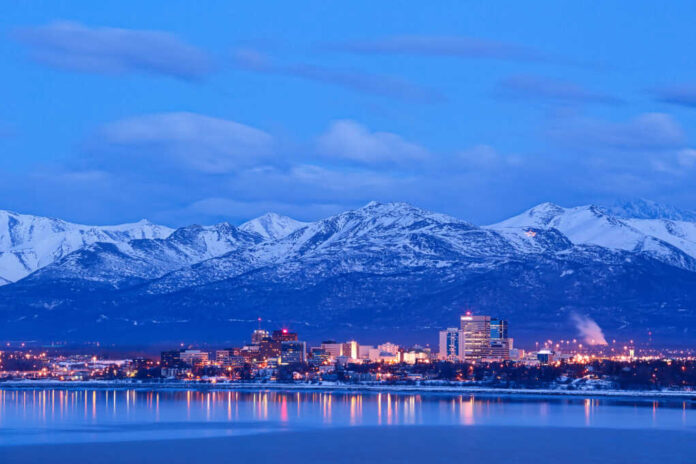
A record-breaking snowstorm in Alaska has sunk multiple vessels and threatens to unleash devastating avalanches, testing the limits of local resources.
Story Snapshot
- Alaska’s record snowfall of 82 inches in December 2025 surpasses the 1964 record.
- Eight vessels have sunk in Juneau’s harbor due to heavy snow accumulation.
- Thane Road closed due to high avalanche risks, prioritizing public safety.
- Local resources are depleted as crews work round-the-clock to manage the crisis.
Alaska’s Record Snowfall and Its Immediate Consequences
In December 2025, Juneau, Alaska, experienced an unprecedented snowfall of 82 inches, shattering the previous record of 54.7 inches set in 1964. The extreme weather conditions have resulted in the sinking of eight large vessels in the harbor due to the overwhelming weight of accumulated snow. This situation is exacerbated by the high risk of avalanches, leading to road closures and safety hazards.
The City and Borough of Juneau Docks and Harbors Department, along with the Alaska Department of Transportation and Public Facilities (DOT), are at the forefront of managing this crisis. The harbors department is focused on snow removal and vessel salvage operations, while the DOT is conducting avalanche hazard reduction efforts. Despite their tireless work, resources are rapidly depleting, prompting emergency hiring and continuous operations to mitigate further damage and ensure public safety.
Watch:
Stakeholder Responses to the Crisis
The U.S. Coast Guard Arctic District has issued warnings about the risks posed by heavy snow on vessel stability. They emphasize the responsibility of vessel owners to remove snow from their boats to prevent further sinkings and environmental hazards. The National Weather Service continues to monitor snowfall and avalanche risk levels, while local officials coordinate efforts to safeguard the community and infrastructure.
The coordination between local harbors, the DOT, and federal entities like the Coast Guard highlights the complexities of managing such extreme weather events. Vessel owners are urged to act quickly in removing snow from their boats to prevent further incidents. The public is advised to adhere to road closures and safety guidelines as the situation develops.
Heavy snow and extreme weather cause sunken vessels and avalanche risk in Alaska | U.S. Coast Guard officials warn that heavy snow can quickly reduce stability and cause vessels to sink, which can lead to property damage and pollution. https://t.co/agSDHRdRty
— Doug Bell (@therealdougbell) January 1, 2026
Long-Term Implications and Community Impact
The immediate effects of the storm have crippled harbor operations and strained local resources, with potential long-term consequences for the maritime sector. The risk of pollution from sunken vessels remains a concern, while the ongoing avalanche threats could lead to further infrastructure disruption. As emergency efforts continue, the economic and social impacts on Juneau’s residents and businesses are expected to be significant.
The situation underscores the need for robust snow management protocols in coastal communities, particularly as climate patterns become increasingly unpredictable. The local government’s plea for resources highlights the broader challenges faced by communities in the path of such extreme weather events.
Sources:
Heavy Snow and Extreme Weather Cause Sunken Vessels and Avalanche Risk in Alaska
Heavy Snow and Extreme Weather Cause Sunken Vessels and Avalanche Risk in Alaska – NY Post