A monthlong night curfew and an immediate alcohol ban now cover U.S. troops on Okinawa after Japanese police arrested a Marine in a woman’s killing.
Story Highlights
- Japanese police arrested Lance Cpl. Devin Jacob Ballard on suspicion of killing Anna Yagi in Naha.
- U.S. commanders imposed a 30-day nighttime curfew and a 48-hour alcohol ban for troops on Okinawa.
- Japan summoned the U.S. ambassador and issued a strong protest over the case.
- Marine leaders said they are cooperating with police and view the allegations as serious.
Arrest In Naha Sparks Emergency Restrictions
Okinawa police arrested U.S. Marine Lance Cpl. Devin Jacob Ballard, 20, on suspicion of killing 39-year-old Anna Yagi at a hotel in Naha and taking her wallet and backpack. Reports said Ballard, assigned to Marine Corps Air Station Futenma, denied the allegations. The case drew fast attention due to past incidents tied to U.S. troops on the island and the location near dense neighborhoods around U.S. bases. Investigators continue their work under Japanese law and procedure.
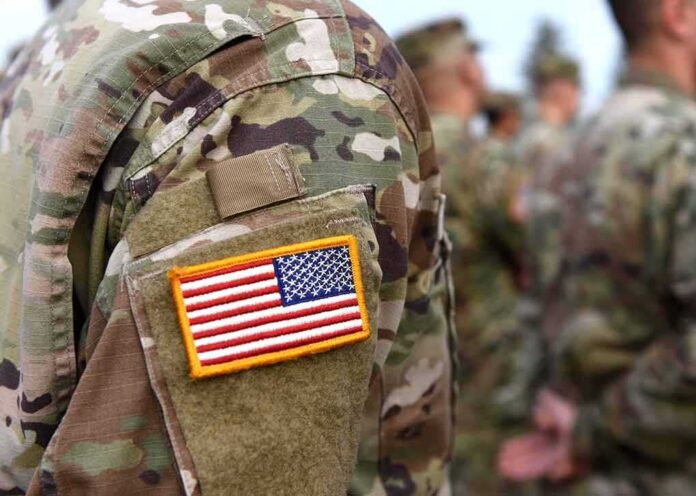
The III Marine Expeditionary Force announced sweeping steps soon after the arrest. Commanders ordered a 30-day nighttime curfew for U.S. forces on Okinawa and a complete halt to alcohol for 48 hours on and off base. Lt. Gen. Benjamin T. Watson was identified in coverage as the announcing commander. Officials said the actions aim to keep order, lower risk, and show respect to the host community while the case moves forward.
Diplomatic Fallout And Local Anger
Japan’s government summoned the U.S. ambassador and issued a strong protest. Leaders in Tokyo called the case serious and pressed for accountability and prevention. The diplomatic response showed how quickly one alleged crime can strain a key security partnership. It also reminded both sides of past flash points linked to troops under the Status of Forces Agreement, which shapes how host-nation police and U.S. commands handle criminal cases.
Local anger in Okinawa rose again as protesters gathered and officials called for stronger discipline. The island hosts a large share of U.S. bases in Japan, which amplifies the impact of any violent incident. The curfew and alcohol halt match a playbook seen after prior cases. Commanders often choose visible limits to calm tensions and reduce off-base activity while trust is rebuilt with the community and leaders.
Marine Corps Stance And Legal Process
The Marine Corps said it takes the allegations very seriously and that it is cooperating with Japanese authorities. The service stressed that all Marines must meet high standards of conduct at all times, on or off duty. That message reflected both internal discipline needs and the diplomatic stakes. It also aimed to assure Japanese officials that the chain of command understands how this incident affects the broader alliance.
"US forces in Japan's southern prefecture of Okinawa have been ordered a 48-hour halt to operations and a month-long nighttime curfew following the arrest of a Marine on suspicion of murder and robbery."https://t.co/fwZauyTofk
— Conrad Hubbard (@conradhubbard) October 7, 2026
Japanese criminal law governs the investigation because the alleged crime happened off base. Police and prosecutors will control evidence, charges, and trial steps. The U.S. military’s role focuses on discipline, unit control, and support to legal authorities. The curfew and alcohol rules are administrative tools, not a judgment on guilt. Ballard’s case remains an allegation until a court rules under Japan’s system, which can take time to move from arrest to formal charges.
Why This Matters Beyond Okinawa
Security ties between the United States and Japan rely on public trust as much as on hardware and training. One high-profile crime can damage that trust fast. The curfew and alcohol ban show commanders trying to balance readiness with local safety and respect. Many Americans and Japanese worry that powerful systems protect insiders. Swift, clear rules can help, but long-term trust needs steady conduct and open communication from leaders on both sides.
Sources:
taskandpurpose.com, cbsnews.com, independent.co.uk, arabnews.jp, aljazeera.com