Iran’s drone blitz on Bahrain and ships jolts the Gulf and dares America to defend free seas.
Story Snapshot
- Bahrain says Iranian drones hit its territory, calling it a violation of sovereignty [8].
- Amnesty International links Iranian Shahed drones to strikes that harmed civilians [9].
- U.S. forces struck Iranian military sites after attacks on commercial shipping [17].
- Tehran claims “ceasefire management,” but offers thin proof of U.S.-linked targets [1].
What Bahrain, Rights Groups, and U.S. Officials Confirm
Bahrain’s Foreign Ministry reported that Iranian drones targeted the country and condemned the attack as a breach of sovereignty and peace efforts. That clear, on-the-record charge undercuts Tehran’s spin that it only hit “U.S.-linked” sites. Amnesty International’s forensic team said Iranian Shahed drones likely struck civilian infrastructure in Bahrain and may have broken international humanitarian law, with civilian casualties reported [9]. U.S. media and officials described follow-on American strikes against Iranian drone and radar sites to protect shipping and uphold navigation rights [17].
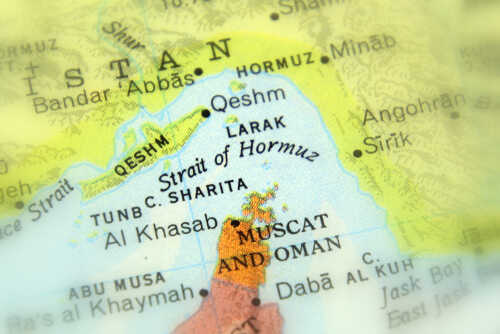
Reporters tracking Gulf traffic added that a separate attack hit a tanker in or near the Strait of Hormuz, though the exact target identity remains murky. U.S. coverage ties recent American strikes to Iran’s threats against commercial ships, not to a desire to widen the conflict. One outlet detailed U.S. payback for a drone hit on the cargo ship Ever Lovely, naming Iranian drone storage and coastal radar among the sites struck by American warplanes [17]. These facts match a well-known pattern: Iran pressures the Strait, the United States counters to keep the lanes open.
Tehran’s Claims Versus The Evidence On The Ground
Iran’s state messaging insists the attacks were retaliation for alleged United States violations of a recent understanding and calls its actions “ceasefire management.” Officials also claim the Strait of Hormuz is under Iranian governance. Those lines lack hard backing in the current public record and clash with global maritime practice. Iran has not shown telemetry, battle damage assessments, or video that prove its Bahrain strikes hit United States assets rather than Bahraini sites, a gap that weakens its case [1].
Western and regional statements point the other way. Bahrain says its territory was hit by Iranian drones. Qatar and others voiced regional concern in earlier flare-ups. Rights researchers flagged likely Iranian Shahed systems used against civilian targets. Meanwhile, United States reporting names concrete Iranian military locations struck in response, tied to protecting free passage for ships [9][17]. In short, Tehran’s narrative leans on assertion; the counter-story leans on public claims with specifics and third-party review.
Why This Matters For America: Energy, Deterrence, And Rule Of Law
Energy prices and family budgets ride on the Strait of Hormuz staying open. Every time Iran fires drones at ports or tankers, insurers raise risk, freight rates climb, and fuel costs can follow. That hits working Americans at the pump and in higher prices for goods. The United States has long kept sea lanes free for all nations. When rogue actors test that, Washington must answer fast and clearly, or the cost of silence grows for our people and allies [15].
🚨 BREAKING HOURLY NEWS!
Top 10 NEW global + AI stories right now 🌍🤖🔥1️⃣ 🇮🇷🇺🇸 STRAIT OF HORMUZ ERUPTS AGAIN — another tanker reportedly struck by an unidentified projectile after U.S. airstrikes on Iranian missile/drone sites.
2️⃣ 🇮🇷🇧🇭 BAHRAIN ACCUSES IRAN — Bahrain says…
— Karim El-Khatib (@karimelkhatib99) June 27, 2026
Deterrence needs proof, not press releases. The administration says it is striking the tools Iran uses to threaten shipping, while keeping the mission tight and lawful. That approach fits core conservative values: peace through strength, limited but firm action, and defense of global commons that serve American families. It also respects the rule of law. Independent findings about Shahed drones and civilian harm in Bahrain strengthen the case that Iran crossed lines that free nations cannot ignore [9][17].
What To Watch Next: Evidence And Escalation Ladders
Americans should demand more hard facts from all sides. If Iran claims it aimed at United States assets, it should release drone telemetry and target imagery. If Bahrain and partners recover debris, they should share forensic results and launch data. Clear evidence narrows doubt and guides smart action. In the meantime, the United States must keep escorting commerce, sharing air defense data with partners, and sanctioning the networks that build and ship these one-way attack drones [9][17].
Congress should also press for a focused energy plan that hardens supply chains at home. More domestic production, more pipelines, more refinery capacity, and fewer red-tape delays reduce the leverage hostile states gain when they rattle the Strait. That is not politics; it is common sense. Strong borders, strong energy, and strong deterrence protect American families from distant bullies who think they can choke the world’s fuel line with a few drones and an angry speech [15][17].
Sources:
[1] Web – Iran Launches Drone Blitz After Overnight US Strikes, Amid New Trump …
[8] Web – Iran launched a drone assault targeting Bahrain, while a ship in the …
[9] Web – Bahrain accuses Iran of launching a drone attack targeting … – …
[15] Web – Iran war latest: Bahrain says it was attacked by Iranian drones
[17] YouTube – BREAKING: US shoots down Iranian attack drones in Strait of Hormuz