
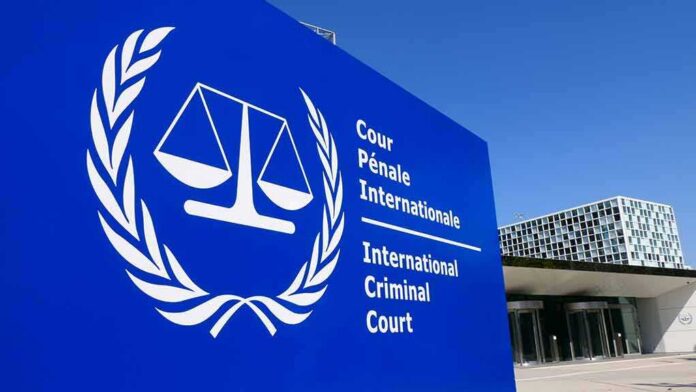
Washington moved from warning shots to a wrecking ball, slapping sweeping sanctions on the International Criminal Court and vowing to dismantle it unless it backs off targeted probes.
Story Highlights
- The White House authorized asset blocks and visa bans targeting International Criminal Court personnel.
- The State Department named specific International Criminal Court judges for sanctions tied to U.S. and Israeli cases.
- The International Criminal Court says it has authority over crimes on Afghan soil and will keep working.
- Critics warn the sanctions could cripple court investigations backed by over 120 countries.
What Washington Did and Why It Matters
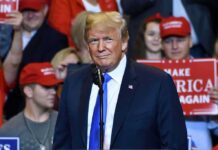
The White House issued an order in February 2025 that allows asset freezes and travel bans on International Criminal Court officials, employees, and agents. The order targets those who the United States says overstep the court’s powers and threaten national interests. In June 2025, the State Department followed by designating named judges connected to matters involving U.S. personnel and Israeli leaders. These steps escalate a long fight over who gets to judge alleged war crimes and where.
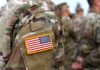
U.S. officials argue the International Criminal Court has no authority over Americans because the United States never joined the Rome Statute treaty that created the court. They also say U.S. forces have been investigated at home, so outside prosecutors should not step in. That view draws on past policy and a 2020 executive order that branded the court’s reach into U.S. conduct a national security threat. The new actions revive that line with sharper tools.
How the International Criminal Court Sees Its Power
The International Criminal Court points to a different rule: crimes committed on the land of a member country fall under its reach, no matter the passport of the accused. Afghanistan joined the court in 2003, so alleged crimes on Afghan soil are within bounds. Court chambers have affirmed that the nationality of suspects, or a status of forces deal, does not block jurisdiction over conduct on member territory. The Appeals Chamber greenlit a wider Afghanistan probe in 2020.
Supporters of the court add that domestic reviews in the United States did not test senior-level responsibility for alleged abuses tied to detention and interrogation. They argue this means the court’s “complementarity” rule does not bar its work when national systems do not fully act. Human rights groups also warn that U.S. sanctions strike at investigators and even helpers, chilling cases tied to Americans and Israelis alike. That pushback sets up a direct clash over law versus power.
Global Backdrop and Shared Public Frustrations
The International Criminal Court says it will keep acting on law and evidence, despite political pressure. It is supported by more than half of United Nations member states and over 120 countries worldwide. Backers call the U.S. move an attack on an independent court. For many Americans, left and right, this fight feeds a larger worry: powerful players bend rules to protect their own, while ordinary people see little justice or accountability at home or abroad.
For conservatives, the court looks like an unaccountable global body reaching into U.S. affairs. For liberals, blocking probes into alleged abuses looks like shielding the strong from scrutiny. Both sides fear elites make the rules and dodge the costs. The result is deeper doubt in institutions, foreign and domestic. When Washington threatens to take the court apart “brick by brick,” supporters hear the message that might wins over rules, and trust erodes further.
What Comes Next: Policy Risks and Real-World Effects
Banks and tech firms may face legal risk for serving sanctioned court staff, which can freeze travel, funding, and research ties. That could slow witness work, evidence storage, and outreach by the court. It could also push allied governments to choose between backing the court or avoiding U.S. penalties. If allies split, cross-border justice weakens. If they rally, Washington could face diplomatic blowback that complicates security, trade, and treaty talks.
"ALL OF US MUST MAKE A CHOICE NOW BETWEEN A WORLD WHERE MIGHT IS RIGHT, OR A FUTURE BASED ON THE RULE OF LAW."
ICC President Tomoko Akane, responding to the United States sanctioning the court as an institution.
"The Court firmly rejects these sanctions. Seeking to obstruct a…
— The Compass Report 🧭 (@Compass_Report) October 9, 2026
At home, Congress and courts may test the limits of sanction powers, as universities and nonprofits weigh speech and cooperation risks. Abroad, accused warlords will watch closely. If sanctions hobble the court, deterrence fades. If the court adapts and presses on, the standoff hardens. Either way, the core issue remains the same: who holds the powerful to account when national systems refuse or fail? Today’s fight over jurisdiction masks that deeper test of democratic promise.
Sources:
cbsnews.com, state.gov, whitehouse.gov, icc-cpi.int, reuters.com, amnesty.org, dw.com, iccforum.com