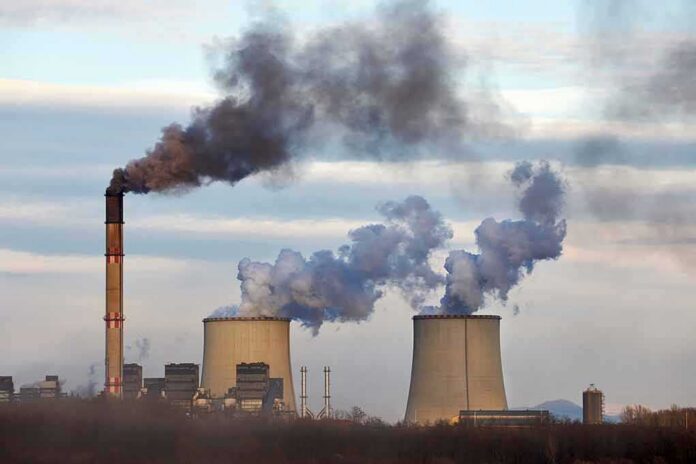
The Environmental Protection Agency moved to erase federal limits on climate pollution from power plants, reshaping who pays the costs of America’s electricity future.
Story Snapshot
- EPA proposed repealing all greenhouse-gas standards for fossil-fueled power plants, citing cost and reliability.
- The plan rests on a legal claim that power-plant emissions do not “contribute significantly” under the Clean Air Act.
- Public health and environmental groups warned of higher pollution and vowed court challenges.
- The proposal launched a formal comment process; final action and court review will decide its fate.
What EPA proposed and why it matters
On June 11, 2025, the Environmental Protection Agency proposed to repeal every federal greenhouse-gas limit on coal and natural gas power plants. The agency said scrapping the standards would lift heavy costs, help keep the lights on, and lower power bills for families and factories. The proposal also offered a narrower backup option that would only drop the most burdensome parts of the rules, including requirements built on carbon capture systems. The move began a formal comment process through August 7, 2025.
EPA’s fact sheet and notice say the rollback would remove billions in industry costs and “unleash” American energy. The agency linked its main plan to a legal finding that power-plant greenhouse gases do not “contribute significantly” to dangerous air pollution under the Clean Air Act. That stance would undercut the basis for setting national limits on these emissions. The proposal also framed the change as a fix for what it called past regulatory overreach and pressure on grid reliability and affordability.
The legal turn and what it signals for the grid
The agency anchored its case in Section 111 of the Clean Air Act and advanced a “significant contribution” theory. That theory seeks to show that power-plant greenhouse gases should not trigger national standards. The Federal Register notice laid out both the full repeal and an alternative to strike only the most costly pieces, including carbon capture rules for coal and new base-load gas units. The twin paths suggest EPA aimed to survive court review even if judges reject a total rollback.
The broader fight has swung back and forth for a decade. After the Supreme Court’s West Virginia v. EPA decision narrowed how far EPA can push system-wide shifts, the prior administration issued 2024 standards. EPA now seeks to erase that framework and earlier rules. Utilities and fossil-fuel generators favor the repeal’s cost relief. Advocates warn it shifts risk to families who bear health harms and to communities near plants. Both sides agree the stakes are high for bills, jobs, and the grid’s future.
Who supports it, who opposes it, and what we know
EPA and industry backers say cutting mandates will speed investment, protect reliability, and reduce costs for energy-heavy businesses. An Associated Press report quoted Administrator Lee Zeldin on “billions” in savings and energy growth. But the record we have does not include a full, audited cost-benefit study. It also lacks an independent grid analysis linking the repeal to clear reliability gains, like higher reserve margins or fewer outages. Those gaps leave big questions for ratepayers.
Public health and environmental groups argue the repeal will raise pollution and harm people most at risk. The American Lung Association warned of more lung disease, especially for children, older adults, and people with asthma. Several groups said communities near plants could see more hazardous air pollutants. Multiple organizations signaled plans to sue, calling the rollback dangerous and unlawful. These objections preview a fast path to federal court once EPA finalizes the rule.
What comes next for families and the courts
The proposal triggered formal notice-and-comment, which invites data, legal arguments, and real-world stories from the public. EPA must read, weigh, and answer those comments in a final rule and supporting analysis. States, power companies, and advocacy groups are preparing for litigation. Courts will test the “significant contribution” theory and whether EPA built a solid record. During that time, utilities must plan fuel, maintenance, and investments amid continued policy whiplash.
🇺🇸The Trump administration plans to end federal limits on greenhouse gas emissions from U.S. coal- and gas-fired power plants, completing a broad rollback of Biden- and Obama-era climate rules.
EPA Administrator Lee Zeldin is expected to announce the move on Monday.
If it…
— news politics and more (@israelnews770) September 14, 2026
For readers across the spectrum, here is the core tension. Many want lower bills, reliable power, and honest regulation that does not serve only the well-connected. Others fear that rolling back limits shifts hidden costs to our lungs and our kids. Both worries are real. The government’s duty is to show its math, prove its legal case, and level with the public about tradeoffs. The final rule, the economic analysis, and the court record will reveal whether that happened.