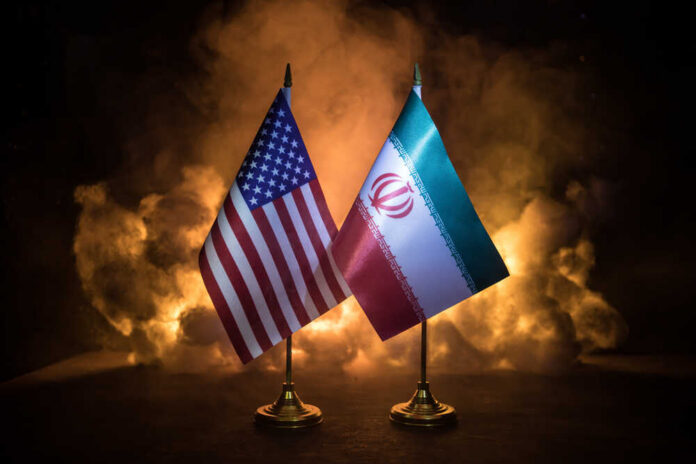
A fragile Iran deal that lifts pressure and opens cash flows is now being sold to conservatives as a “win,” even as talks in Switzerland wobble and Tehran tests how far it can push the Trump administration.
Story Snapshot
- A 14-point U.S.–Iran memorandum ends open fighting and lifts the naval blockade while talks move to Switzerland.
- Vice President JD Vance says America holds the leverage, but Iran gets oil sales and sanctions waivers on the front end.
- The toughest issues — nukes, missiles, terror proxies, and Lebanon — are pushed into a 60-day “later” bucket.
- Vance’s Switzerland trip has seesawed between “on” and “off,” raising questions about who is really calling the shots.
Vance’s Switzerland Mission: Turning a Fragile Truce Into a Real Deal
Vice President JD Vance is heading to Switzerland to lead high-stakes talks meant to turn the new 14-point memorandum with Iran into a lasting agreement, after days of confusion over whether the meetings would even happen.[1] The memorandum opened a 60-day window to hammer out details on sanctions relief and Iran’s nuclear program, but that clock is now ticking while logistics and politics drag behind.[2] For many conservatives, this feels like another rushed framework that front-loads gifts and back-loads promises.
The White House says the Switzerland sessions will focus on Iran’s nuclear work and securing a real halt to the fighting in Lebanon.[7] Vance insists the United States “holds the upper hand” and that Iran will not see lasting benefits unless it proves long term compliance.[1] Yet the structure of the deal lets Tehran enjoy oil sales and early waivers while the most serious questions — nuclear stockpiles, missiles, and terror proxies — are left to later, closed-door technical talks.[2]
What the 14-Point Deal Really Gives Iran — And What It Demands
The memorandum orders an “immediate and permanent” stop to military action on all fronts, including Lebanon, and it commits both sides not to attack each other going forward.[19] It also requires the United States to lift its naval blockade and end “disturbances” against Iran within thirty days, restoring ship traffic through the Strait of Hormuz to pre-war levels.[19] Commercial vessels are already moving again as the U.S. Navy clears routes and escorts tankers through the area.[6]
On paper, Iran again promises never to develop or obtain nuclear weapons, and the text calls for a process to decide what happens to its stockpile of enriched material under inspectors from the International Atomic Energy Agency.[2] Vance has told Americans that Iran’s nuclear program is “destroyed” and that its highly enriched uranium will be removed or neutralized.[2] But the memorandum only commits both sides to negotiate the fate of that stockpile over sixty days, not to destroy it right away, which is exactly the kind of slow-roll tactic Iran has used before.[2]
Sanctions, Oil Money, and the Risk of Rewarding a Regime That Hates Us
The memorandum creates a 60-day negotiation period to reach a final peace deal that could lift all primary and secondary U.S. sanctions on Iran, freeze new sanctions, and release Iranian assets overseas.[2][20] In the meantime, Iran is already allowed to sell crude oil, petrochemicals, and related products again, backed by waivers in banking, shipping, and insurance that make those sales possible.[2] Experts note this could send Iran hundreds of millions of dollars a day, strengthening a regime that funds anti-American terror instead of its own people.[22]
The deal also lays out a $300 billion “reconstruction and economic development” fund for Iran, to be financed by regional and international partners, not by direct U.S. taxpayer checks.[19][20] Even so, conservatives remember past deals where “indirect” money still freed up resources for missiles and terror proxies. Israeli officials and many Republicans in Congress are already calling this a major security setback that gives billions to a theocratic regime while leaving missiles and proxy networks largely untouched, at least for now.[1][4]
Lebanon, Israel, and a Ceasefire Written in Washington but Tested on the Ground
The memorandum demands a permanent end to hostilities in Lebanon and promises to respect that country’s borders and sovereignty.[4][19] Iran’s camp now claims that the United States is failing to enforce that clause on Israel, and says continued Israeli strikes in Lebanon break the agreement’s first article.[3] Israeli leaders, for their part, argue that they cannot simply stop defending their people while Iran’s favorite terror group still fires rockets and digs in along the border.[4]
🚨 BREAKING: JD Vance heads to Switzerland for in-person negotiations with Iran!
Vice President Vance departed for high-stakes peace talks amid ongoing Middle East tensions. Could this be a breakthrough on nuclear issues & regional stability?#AxconWorld #JDVance #IranTalks… pic.twitter.com/ia1kS56tEV— Axcon world (@Axconworld) June 21, 2026
The first round of technical talks in Switzerland was postponed after Iran pushed new demands and the schedule fell apart, feeding media stories that the peace push was already in trouble.[4][8] The White House has tried to blame “logistics,” while Iranian voices talk about their “red lines” and threaten to take “necessary measures” if they do not get what they want in Lebanon and beyond.[4] For many readers, this looks less like peace and more like classic Iranian brinkmanship, once again rewarded with cash and concessions up front.
Sources:
[1] Web – Vance heads to Switzerland for Iran peace talks
[2] Web – Iran war day 112: Vance defends Tehran ‘deal’ but Switzerland trips …
[3] Web – US releases official agreement with Iran. Read the 14-point text | CNN
[4] Web – Trump, Iran’s President sign memorandum of understanding – CNBC
[6] YouTube – Iran talks stall again as Vance cancels Switzerland negotiation trip
[7] Web – Iran war: Switzerland talks called off, Vance stays in US – DW
[8] Web – Vice President JD Vance’s planned trip to Switzerland for U.S.-Iran …
[19] Web – Vance to head to Switzerland for Iran talks
[20] Web – What’s in the deal between the US and Iran? – BBC
[22] Web – Fact Sheet: The Iran Deal, Then and Now