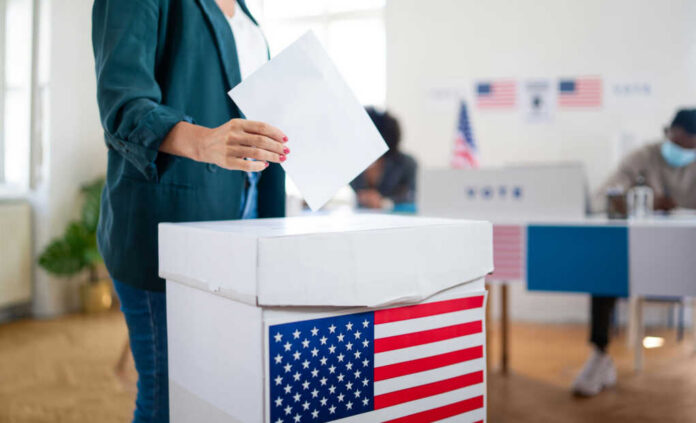
A new wave of state-level “integrity” reforms could tighten voting rules—and the left is already calling it a threat to democracy.
Story Snapshot
- State lawmakers hold real power to set voting rules and run elections [4]
- Advocacy groups warn of “restrictive” bills, but evidence shows courts rejected broad fraud claims [6]
- The White House issued an order in 2025 focused on election safeguards [8]
- The fight is over process: access versus security, not whether votes should count
Who Can Actually Change Voter Laws in the States
State legislatures write most election rules. Governors sign or veto those bills. Secretaries of state administer and certify results. County officials run polling places and count ballots. A tracking project notes that legislators can change registration rules, mail voting deadlines, and procedures for audits and certification [4]. That means candidates who back stronger security can, if elected, advance real reforms. It also means guardrails still exist, including courts and statewide checks.
Advocacy groups on the left say this power has been used to add barriers to voting and to interfere with how elections are run [4]. Their reports argue that proposals like tighter identification checks or stricter mail ballot deadlines reduce access. They frame these efforts as part of a broader push tied to 2020 skepticism [2][3][5]. Supporters of these measures counter that clear rules, uniform deadlines, and chain-of-custody checks protect every legal vote.
What the Courts Said About 2020 Claims—and Why It Matters Now
Dozens of lawsuits after 2020 failed to prove widespread fraud. A legal review notes that claims were “exhaustively investigated and litigated,” with many cases dismissed on the merits or for lack of evidence [6]. That history matters because it shapes today’s debate. Critics say failed suits show security laws are not needed. Backers say the suits highlighted process gaps—like late counts and uneven rules—that still erode trust and should be fixed through legislation, not court fights.
Because courts did not bless sweeping fraud claims, lawmakers focused on process reforms instead of relitigating 2020. That is where voter identification, ballot chain-of-custody, voter roll maintenance, and post-election audits come in. These are normal tools in a state-run system. The key policy question is balance: how to keep access open while closing loopholes that tempt abuse. Even critics admit states control these levers, not Washington bureaucrats [4]. That is federalism working as designed.
The Federal Role Under Trump—and Federalism’s Limits
The Trump White House issued a 2025 order to “preserve and protect” election integrity, signaling support for secure practices and transparency [8]. The order sets out principles and directs federal agencies where lawful. But the Constitution leaves most election administration to the states. That means federal guidance can back best practices, yet statehouses still write the rules. Voters should watch governors’ races, secretary of state races, and legislative contests even more closely.
Left-leaning groups charge that a second Trump term would erode democracy and make voting harder [1][3]. These are claims, not settled facts, and they often treat security measures as “suppression” by default. Many Americans support voter identification and clean rolls as common sense. Critics cite access risks; supporters cite trust and fairness. Both sides agree confidence matters. Strong, clear, and even-handed rules help reduce disputes, speed counts, and protect every lawful ballot.
Can Pro‑Trump Candidates Realistically Tighten Rules?
Yes—if they win state offices with jurisdiction and build majorities for bills, they can set tighter standards for identification, mail ballots, audits, and list maintenance. The States United tracker confirms lawmakers have already pursued such changes and hold the authority to do so under state law [4]. Courts can still review extreme measures. Voters can still replace officials. That push-and-pull keeps reforms inside constitutional bounds, not in the realm of unilateral power grabs.
"Key facts from public records: States United Democracy Center (co-founded by Norm Eisen) sent AZ AG Kris Mayes a detailed 47-page memo on July 25, 2023, outlining potential charges against 2020 alternate electors under AZ law (forgery, false documents, conspiracy, etc.). It was… https://t.co/Xz4Po44Ta1
— MAHA MAGA LADY 🇺🇸 USA (@MAGAMAHA_LADY) June 9, 2026
Here is the bottom line for readers who want secure, fair, fast counts. First, focus on state races where the rules get made. Second, support policies that are strict but simple: one person, one ID, one ballot, clear deadlines, public audits. Third, demand transparency that lets media, parties, and citizens watch the process. After 2020 litigation fizzled [6], the path forward is not courtroom drama. It is steady, lawful reform through the statehouse, backed by the Constitution and common sense.
Sources:
[1] YouTube – Could pro-Trump candidates who deny his 2020 loss change voter laws?
[2] Web – Trump on Voting Rights | American Civil Liberties Union
[3] Web – The Trump Administration’s Campaign to Undermine the Next Election
[4] Web – How Donald Trump’s Election Lies and Other Anti-Voter Policies Will …
[5] Web – States of Denial: Tracking Election Deniers in Key State Legislatures
[6] Web – The Story of Election Denial in America • Replacing the Refs
[8] Web – What’s So Bad About Voter ID Laws?