A classified warning that Cuba may use hundreds of foreign-made military drones against nearby American targets is raising alarms about both real security risks and how easily secret intelligence can steer U.S. policy.
Story Snapshot
- U.S. intelligence sources say Cuba has acquired more than 300 military drones from Russia and Iran and discussed striking American targets.[1][2][3]
- Reported potential targets include the U.S. base at Guantanamo Bay, American naval vessels, and possibly Key West, Florida.[1][2]
- The evidence presented so far is classified and anonymous, leaving the public to trust officials without seeing underlying proof.[1][2][3]
- The story fits a pattern where unverified security claims can justify new military or surveillance powers in Washington.[1][2]
What U.S. Intelligence Officials Say Cuba Is Doing With Drones
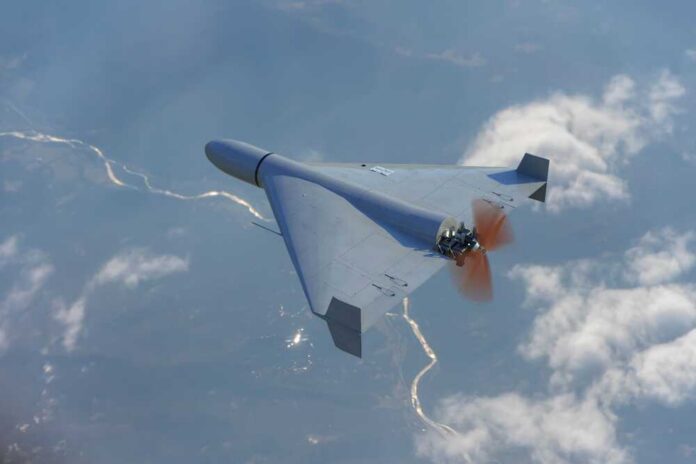
Axios reports that United States intelligence officials believe Cuba has acquired more than 300 military drones and has begun discussing plans to use them against American targets, including the U.S. naval base at Guantanamo Bay, U.S. military vessels, and possibly even Key West, Florida.[1] Additional outlets including Ynetnews and China Global Television Network repeat the core allegation, citing the same underlying intelligence and describing the systems as attack drones of “varying capabilities” sourced from Russia and Iran.[2][3] Officials quoted by Axios describe this buildup as an “escalating danger” given Cuba’s close proximity to the U.S. mainland.[1]
Axios further reports that Cuban authorities have recently requested additional drones and military assets from Russia, while Cuban intelligence services are said to be studying how Iran has used its drone program to resist U.S. military pressure.[1] U.S. officials also estimate that around 5,000 Cuban soldiers fought alongside Russian forces in Ukraine and brought back lessons about drone warfare to share with Havana’s military leadership.[1] None of these claims is accompanied by publicly released documents, imagery, or contracts, but together they are being used to frame Cuba as a fast-emerging drone threat just ninety miles off Florida’s coast.[1][2][3]
Where The Evidence Is Thin And Why That Matters
The public case rests almost entirely on anonymous officials citing “classified intelligence,” with no supporting images, intercepted communications, procurement records, or technical details released to citizens or independent analysts.[1][2][3] Reporting does not identify manufacturers, specific drone models, payloads, or ranges, leaving unanswered whether these systems are primarily surveillance tools, one-way attack drones, or reusable armed platforms.[1] Axios notes it could not obtain on-record comments from Cuban authorities, meaning the initial narrative reaches Americans without a direct Cuban denial or explanation, and without outside verification of either the drone quantity or the alleged offensive plans.[1]
This gap between dramatic claims and visible proof is familiar to Americans who remember Iraq’s supposed weapons of mass destruction, shifting rationales for surveillance expansions after the September 11 attacks, and other moments when intelligence talking points outran confirmed facts. Conservatives who distrust the national security bureaucracy after years of politicized investigations, and liberals who worry about wars launched on thin evidence, both have reason to question whether classified warnings are being used to push Congress or the White House toward escalation in the Caribbean.[1][2] Amplification by foreign and domestic outlets repeating the same unnamed sources risks locking in a narrative before deeper scrutiny occurs.[2][3]
How This Fits A Bigger Pattern Of Drones, Proxies, And Deep-State Politics
This story lands in a world where cheap drones have transformed battlefields from Ukraine to the Middle East, so any report of hundreds of attack drones near Florida understandably grabs attention.[1] Analysts have documented how small unmanned aircraft can allow weaker states or non-state actors to threaten ships, air bases, and critical infrastructure at relatively low cost, creating pressure on governments to harden defenses and expand surveillance. That reality makes Americans understandably anxious, but it also gives intelligence agencies and defense contractors powerful arguments for new budgets, new authorities, and potentially new military operations justified as preventative action.
Axios is quoting US officials as saying that “Cuba has been acquiring attack drones of ‘varying capabilities’ from Russia and Iran since 2023, and has stashed them in strategic locations across the island” https://t.co/FNF14Uhxu5
— Anna Ahronheim (@AAhronheim) May 17, 2026
Axios itself notes that this alleged threat “could serve as a rationale” for U.S. military action against Cuba, even though officials do not see an imminent attack.[1] When the same institutions that failed to prevent past crises or oversaw controversial interventions now ask citizens to accept secret evidence again, skepticism is not unpatriotic; it is common sense shared by many on both the right and the left. Americans who feel that Washington’s permanent security bureaucracy—the so-called deep state—too often operates without accountability will see in this episode another reminder that fear can move policy faster than facts.[1][2][3]
Sources:
[1] Web – Exclusive: U.S. eyes attack-drone threat from Cuba – Axios
[2] Web – US examining threat from Cuba, which has acquired over 300 drones
[3] Web – CUBA HAS ACQUIRED MORE THAN 300 MILITARY DRONES …