A federal appeals court appears ready to block a government investigation that many say targets a nonprofit watchdog for criticizing a powerful tech billionaire’s platform, raising alarm bells about whether agencies can weaponize their authority to silence inconvenient journalism.
Story Snapshot
- Federal Trade Commission issued sweeping document demands to Media Matters after the nonprofit exposed ads next to Nazi content on X
- District court granted injunction finding likely First Amendment retaliation; D.C. Circuit judges signal agreement in April 2026 oral arguments
- Civil liberties groups warn the probe threatens press freedom and reporter privilege, potentially chilling media scrutiny of tech platforms
- Investigation came after Elon Musk vowed “thermonuclear” retaliation over report that triggered advertiser exodus from X
Government Investigation Targets Nonprofit Journalism
The Federal Trade Commission issued a Civil Investigative Demand on May 20, 2025, targeting Media Matters for America over its November 2023 reporting that documented corporate advertisements appearing alongside antisemitic and pro-Nazi content on X, formerly Twitter. The sweeping demand sought internal documents about reporting practices, editorial methods, finances, and communications—materials that strike at the heart of journalistic operations. This came months after platform owner Elon Musk publicly vowed “thermonuclear” legal action against the nonprofit following an advertiser exodus triggered by the explosive report. The timing and scope raise serious questions about whether a federal agency is being deployed against critics.
Courts Find Likely Constitutional Violation
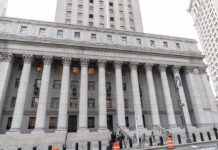
Media Matters challenged the investigation in federal court, and on August 15, 2025, District Judge Sooknanan granted a preliminary injunction blocking enforcement of the FTC demand. The court found the nonprofit demonstrated a likelihood of success on its First Amendment retaliation claim, determining the investigation appeared designed to punish protected journalism rather than serve legitimate regulatory purposes. The FTC appealed, but both lower courts and the D.C. Circuit denied stays, keeping the injunction in place. During April 13, 2026 oral arguments before the appellate panel, judges expressed skepticism about the FTC’s position, signaling they may uphold the block and reject government overreach into press activities.
Pattern of Retaliation Against Critical Reporting
The FTC probe represents just one prong of coordinated pressure on Media Matters following its X investigation. Texas Attorney General Ken Paxton and Missouri’s AG launched similar investigative demands, both of which courts also enjoined on First Amendment grounds. X Corporation itself filed lawsuits against the nonprofit. This pattern emerged after the 2023 report caused major advertisers to pull spending from the platform, directly impacting Musk’s business interests. The convergence of state, federal, and private legal actions against a single media organization for one investigative report creates an unmistakable appearance of coordinated retaliation designed to deter future critical coverage.
Broader Implications for Press Freedom
Civil liberties organizations including the Cato Institute, ACLU, FIRE, and Yale’s Media Freedom Clinic filed friend-of-the-court briefs warning the investigation threatens fundamental constitutional protections. These groups argue government agencies cannot use investigative powers to punish or chill journalism, even when that reporting harms powerful interests. The case tests whether reporter’s privilege and press freedoms can withstand demands cloaked in antitrust authority. Notably, nonprofits typically fall outside FTC antitrust jurisdiction, yet the agency targeted Media Matters anyway. If upheld, the investigation could establish dangerous precedent allowing agencies to harass media organizations through burdensome document demands whenever their reporting displeases government officials or politically connected figures.
Deep State Weaponization Concerns
The case crystallizes growing bipartisan concerns about agencies serving elite interests rather than the public. FTC Chairman Andrew Ferguson, appointed after the 2024 election, steered the commission toward investigating alleged advertising “boycotts” affecting X—a priority that conveniently aligns with Musk’s business grievances rather than consumer protection. Meanwhile, the FTC claims its probe examines potential antitrust violations, yet offers no clear explanation for why a nonprofit media organization’s journalism constitutes anticompetitive conduct. This disconnect fuels suspicions that unelected bureaucrats are leveraging regulatory machinery to settle scores for politically connected billionaires. Whether conservative or progressive, Americans who value free speech should recognize the danger when government power targets journalists for exposing uncomfortable truths.
Sources:
Media Matters for America v. Federal Trade Commission – Clearinghouse
Free Speech at Stake: Cato Files Brief in Media Matters v. FTC – Cato Institute
Annotated Guide to Friend-of-the-Court Briefs in Media Matters v. FTC Retaliatory – Brennan Center
Clinic Urges DC Circuit to Prohibit FTC’s Investigation of Media Organization – Yale Law School
Can Government Retaliate Against Critics by Launching an Investigation? – Institute for Free Speech
Media Matters for America v. United States Federal Trade Commission – NCLA Legal