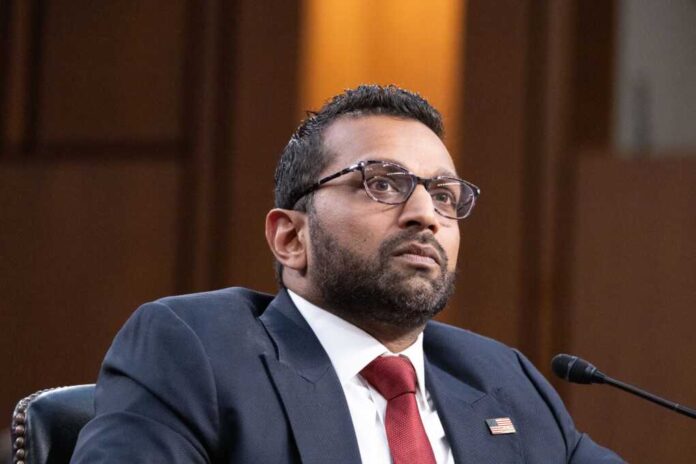
FBI Director Kash Patel’s announcement of a thwarted Halloween terror plot in Michigan may have been a federal overreach against young gamers, raising serious concerns about constitutional protections and government surveillance of innocent Americans.
Story Highlights
- FBI arrested five young gamers aged 16-20 in Michigan, claiming they plotted Halloween terror attack
- Defense attorney disputes FBI narrative, says suspects were just gaming online with no illegal activity
- No charges filed despite arrests, no evidence of weapons or concrete plans released publicly
- The case raises concerns about federal overreach and surveillance of constitutional online speech
FBI Claims Terror Plot Based on Gaming Chat
FBI Director Kash Patel announced the arrests of multiple young suspects in Michigan, alleging they plotted a terrorist attack for Halloween weekend. The five suspects, all U.S. citizens aged 16 to 20, were reportedly discussing plans in an online chat room with references to “pumpkin day.” Patel credited the FBI and local authorities for thwarting what he characterized as a potential violent attack inspired by Islamic State extremism.
The arrests occurred in Dearborn, Michigan, following FBI monitoring of online discussions among the young men. Federal authorities claim the suspects were communicating about possible attack plans through digital channels. However, the FBI has provided no public evidence of weapons, concrete planning, or imminent threats beyond the online conversations that triggered their investigation.
Michigan Halloween terror suspects were just gamers, attorney claims https://t.co/XwHsfikL2P pic.twitter.com/faVy4OH420
— The Independent (@Independent) November 2, 2025
Defense Attorney Challenges Government Narrative
Defense lawyer Amir Makled, representing one of the suspects, publicly disputed the FBI’s terrorism characterization. Makled stated he believes no illegal activity occurred and expects no charges to be filed against his client. The attorney described the group as gamers engaged in typical online gaming culture, suggesting federal authorities misinterpreted harmless digital communication as extremist plotting.
This dispute highlights a concerning pattern where federal agencies potentially criminalize constitutionally protected speech among young Americans. The lack of filed charges despite high-profile arrests suggests the government may have acted prematurely without sufficient evidence. Such overreach threatens First Amendment protections and due process rights that conservatives have long defended against expanding federal surveillance powers.
Constitutional Concerns Over Federal Surveillance
The case exemplifies troubling trends in federal law enforcement’s monitoring of online activities, particularly targeting young Americans engaged in digital communications. Since 9/11, the FBI has expanded surveillance operations that often blur the line between legitimate security concerns and constitutional violations. Gaming communities frequently use provocative language that may appear threatening to government monitors unfamiliar with digital culture.
Patriots should be deeply concerned about federal agencies arresting citizens based solely on online conversations without clear evidence of criminal intent or capability. This represents the kind of government overreach that erodes constitutional protections and due process rights. The failure to file charges suggests the arrests were premature and potentially motivated by political pressure to demonstrate counterterrorism successes rather than genuine threats to public safety.
Watch the report: FBI arrests 5 suspects in Michigan in alleged Halloween terror plot investigation
Sources:
Michigan lawyer says a terror plot that FBI Director Kash Patel revealed was just gamers in a chat room
FBI arrests multiple suspects allegedly plotting potential terrorist attack over Halloween weekend
FBI says “potential terrorist attack” thwarted in Michigan, 5 people arrested – CBS News