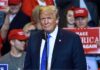


President Trump said Russia and Ukraine agreed to stop strikes on energy sites, but both sides soon accused each other of breaking the deal.
Story Snapshot
- White House readout said peace talks would start with an “energy and infrastructure ceasefire.”
- Reports said Vladimir Putin backed a 30-day pause focused on energy targets.
- Ukraine and Russia quickly traded claims of violations and argued over the start date.
- Lack of public terms left scope, timing, and enforcement unclear.
What the White House and Kremlin Said
White House records from March 18, 2025 said President Trump and Vladimir Putin agreed that the path to peace would begin with an “energy and infrastructure ceasefire.” The U.S. Embassy-hosted transcript used the same language, showing this was an official point, not a rumor. Several outlets said Putin supported a 30-day pause aimed at energy targets, suggesting an early shared goal, though not full details. These sources shape the base of what the public heard.
Contemporaneous reports said Putin “responded positively” and ordered the military to align with the idea. Coverage described the plan as a partial 30-day halt on strikes against refineries, power plants, and related sites. That framing implied a defined basket of targets, at least in concept. But the White House did not publish a signed document or list of covered facilities, nor spell out verification or penalties for breaches, leaving room for different readings on the ground.
How the Arrangement Unraveled in Public
Only days after the call, Moscow said a Ukrainian drone hit an oil depot, which Russia cast as an immediate breach of the proposed halt. Later, Russia said Ukraine struck the Sudzha gas station and caused major damage. Kyiv, for its part, accused Russia of repeated attacks on Ukrainian energy sites and said the ceasefire began March 25, not March 18. These flips in claim and counter-claim made it hard for outsiders to judge compliance.
Reuters reported both Kyiv and Moscow accused the other side of violating the U.S.-brokered energy ceasefire. Ukraine alleged more than 30 Russian attacks on its energy infrastructure since March. Russia argued that its own restraint began earlier and that Ukrainian strikes continued. This dispute over timing and incidents pushed the story from a clean “deal” into a contested information fight, where each side framed events to defend its stance.
What Was Missing From the Deal
The public record lacks a shared, written set of terms that define energy targets, list start and end dates, and set up checks and consequences. The White House language pointed to an energy ceasefire and to future talks on sea lanes and a wider truce. That signals a staged process, not a finished map. Without posted rules, commanders and journalists had little to measure. Research on ceasefires shows this kind of ambiguity invites disputes and quick claims of breach.
Trump announced an immediate "energy ceasefire" in the Russia-Ukraine war, with no terms shared. Zelenskyy says Ukraine is ready to accept it. Moscow has not commented. ⚡ #UkraineWar #RussiaUkraine pic.twitter.com/LznBZkSvVl
— BoreSight (@BoreSightX) October 11, 2026
Some reports described a Russian list that covered fuel storage, pumping stations, power generation and distribution networks, and dams, with a 30-day clock and a release clause if one side violated the pause. But those terms did not appear as a jointly signed text with Ukraine in public view. That gap matters. Clear terms and shared monitoring usually improve compliance and help settle claims fast. The absence of both made this ceasefire fragile from day one.
Why This Matters at Home
Americans are tired of mixed messages and endless wars that hit energy markets and family budgets. People on the right and left see leaders make big claims, then fail to show the paperwork or deliver results. This case fits that worry. A headline promise landed without public rules to enforce it. When facts are thin and terms are vague, officials can shape the story to suit their needs, while regular people face the costs and the confusion.
Sources:
facebook.com, reuters.com, nbcnews.com, abcnews.com, politico.com, apnews.com, ru.usembassy.gov, bbc.co.uk