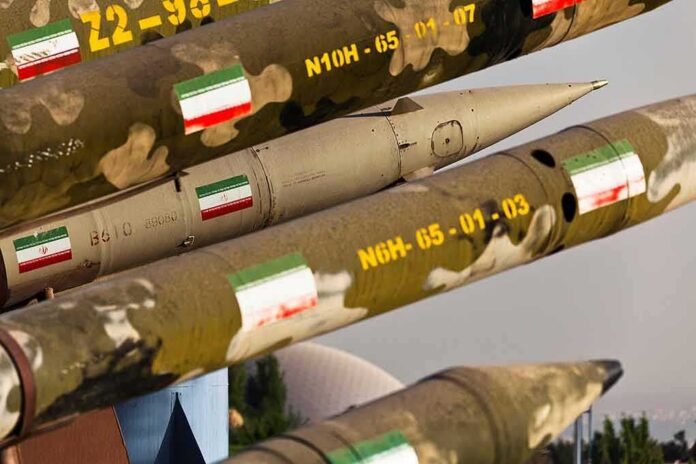
Israel says an Iranian jihad leader privately confirmed plans to build nuclear weapons, sharpening a standoff that risks a wider war if the world shrugs.
Story Highlights
- Israel cites files, strikes, and new claims to argue Iran is moving to weaponize its nuclear program.
- Israel’s June 2025 attacks targeted sites and figures tied to Iran’s program and security forces.
- Independent nuclear watchdog reports flag violations but stop short of proving an active bomb program.
- Both left and right fear elite secrecy and mission creep as the risk of miscalculation grows.
Israel’s Claim and Why It Matters Now
Israeli leaders say a senior Iranian jihad figure admitted Iran plans to build nuclear weapons. Israel frames this as the latest proof that Tehran is moving from capability to intent. Past Israeli briefings showcased seized archives that described warhead design goals and hidden work sites. Israel argues these records, plus recent intelligence and strikes, show a pattern that cannot be ignored. The claim raises stakes for preemptive action and for how allies respond to a potential nuclear breakout.
On June 13, 2025, Israel launched attacks across Iran aimed at nuclear sites, scientists, and senior officers in the Islamic Revolutionary Guard Corps, calling the operation preemptive because Iran was “closer than ever” to a weapon. Subsequent reporting described damage to facilities tied to enrichment and weaponization pathways. Israeli officials also later pointed to a strike on what they said was a covert weapons development site near Tehran, underscoring a sustained campaign to slow or stop progress.
What Independent Bodies and Analysts Say
Reports from the International Atomic Energy Agency described serious safeguards violations by Iran but found no current proof of an active nuclear weapons program. Analysts urged urgent diplomacy to restore monitoring and reduce risk. Earlier assessments traced a structured weapons program that stopped in 2003, while warning that research may have continued in looser form and that today’s capabilities shorten breakout timelines. This split—violations versus proven weaponization—drives the dispute over intent and timing.
U.S. public intelligence assessments in recent years said Iran has the capacity to make weapons at some point but has not decided to build a bomb and has not mastered every required step. That view supports pressure for inspections and transparency, not automatic war. Yet the same assessments admit that reduced access, advanced centrifuges, and stockpiles make detection harder and action windows shorter. This is where Israeli warnings and outside caution collide, and where misreading signals can have grave costs.
Why the Stakes Feel So High for Ordinary People
American readers see echoes of past failures: secret files, shifting red lines, and leaders who ask for trust while keeping key details classified. Conservatives worry that Iran’s rulers could soon threaten allies and energy routes, driving up prices and risking U.S. troops abroad. Liberals worry that force-first policies can spiral, drain budgets, and widen the gap at home. Both sides fear elite groupthink and a forever-crisis that never solves core problems but demands endless sacrifice.
Energy and inflation hang in the balance. A strike-and-retaliation cycle in the Gulf could push oil and shipping costs higher, hitting family budgets. Missile exchanges could also pull in U.S. forces and partners. Clear, verified facts matter here. If Iran is weaponizing, delay raises danger. If it is not, rushed strikes could create the very threat they aim to stop. That is why verification access, enforceable limits, and credible red lines are vital to prevent panic and prevent war.
What to Watch Next
Watch for named, verifiable disclosures that back Israel’s latest claim, not just summaries. Look for International Atomic Energy Agency access, data on enrichment levels, and monitoring of advanced centrifuges. Monitor whether Iran disperses or hardens sites, which would shorten warning time. Track whether allies demand a timeline for diplomacy with enforcement or greenlight broader strikes. Each signal will show whether this heads toward a deal that reduces risk or a clash that raises it.
The US-Saudi Nuclear Deal isn't what you think.
It's not about energy. It's not about diplomacy.
It's a desperate strategic fallback triggered by a failed military strike on Iran—and it could unleash a nuclear arms race that no one saw coming. Long read- https://t.co/z8DeeUx8NE— The Spy Analyst | Geopolitics | Espionage | Power (@thespyanalyst) August 5, 2026
Also watch Washington. President Trump faces pressure from hawks who back preemption and from budget hawks who fear another open-ended commitment. Lawmakers in both parties say the public deserves proof before force. Many Americans, left and right, feel the system hides facts and overpromises results. Transparent evidence, clear goals, and strict oversight can restore trust. Without that, leaders risk another costly chapter where ordinary citizens pay while elites steer from far away.
Sources:
thekcis.org, dohainstitute.org, commonslibrary.parliament.uk, en.wikipedia.org, bbc.com, jpost.com, isis-online.org, journals.eco-vector.com