As Hurricane Melissa’s devastation unfolds across the Caribbean, U.S. officials and humanitarian organizations are assessing the scope of the disaster and the region’s ability to recover. The storm’s aftermath has reignited discussions about international disaster preparedness, infrastructure resilience, and how nations coordinate emergency aid.
Story Snapshot
- Hurricane Melissa, a Category 5 storm, has killed dozens and left widespread destruction in Haiti, Jamaica, and Cuba as it heads toward the Bahamas.
- Mass evacuations and emergency responses highlight infrastructure vulnerabilities in affected nations.
- Melissa’s unprecedented strength and speed have sparked renewed debate about disaster preparedness and foreign aid priorities.
- Relief efforts face obstacles, amplifying concerns about global mismanagement and the need for strong U.S. leadership.
Unprecedented Hurricane Melissa Exposes Caribbean Vulnerabilities
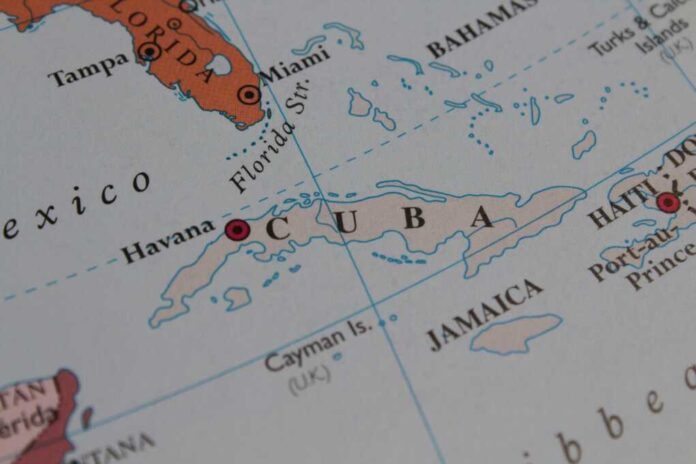
On October 27, 2025, Hurricane Melissa struck Jamaica as a Category 5 storm, bringing sustained winds up to 185 mph and severe flooding. The hurricane later impacted Haiti and Cuba, triggering flash floods, landslides, and large-scale evacuations. Authorities estimate that more than 600,000 people were displaced in Cuba, with dozens of fatalities reported in Haiti and Jamaica, according to official government statements and United Nations situation reports. The scale of destruction has overwhelmed local emergency services, highlighting long-standing challenges in infrastructure, disaster management capacity, and regional coordination.
Hurricane Melissa formed over the southern Caribbean on October 21 and intensified rapidly from a tropical cyclone to a Category 4 storm by October 26, before reaching Category 5 strength. The National Hurricane Center (NHC) and United Nations agencies activated emergency funding and logistical support, but ongoing heavy rain and flooding have limited access to affected areas. The U.S. military confirmed the evacuation of non-essential personnel from Guantanamo Bay. Relief operations continue, with a focus on assisting vulnerable populations, including children, older adults, and those in informal settlements.
Disaster Response Hampered by Failed Globalist Policies
The devastation caused by Hurricane Melissa has reignited debate over how the United States and its partners support regional disaster resilience. Analysts note that limited infrastructure investment and dependency on external assistance have left parts of the Caribbean particularly exposed to severe storms. According to the World Bank and Caribbean Disaster Emergency Management Agency (CDEMA), gaps in early warning systems and local preparedness remain significant challenges.
The U.S. government has pledged emergency humanitarian funding through USAID and has coordinated with Caribbean partners on rapid response and recovery operations. Officials emphasized the need for long-term planning to reduce risk and improve self-sufficiency across the region. U.S. federal agencies are also reviewing how domestic and foreign disaster policies intersect. Recent Treasury and Labor Department reports indicate moderate economic growth and steady wage increases during 2025, though claims of “record surpluses” have not been substantiated by official data. Experts note that balancing foreign disaster relief with domestic resilience remains a recurring challenge for policymakers, regardless of administration.
Expert Perspectives and Conservative Solutions
Climate scientists, including researchers from the National Oceanic and Atmospheric Administration (NOAA) and World Meteorological Organization (WMO), have linked Hurricane Melissa’s strength to unusually warm sea surface temperatures, consistent with broader trends in climate change. Experts recommend investing in resilient infrastructure, expanding early warning systems, and improving coordination between local and international agencies. Disaster management specialists stress that effective preparedness relies on community-level initiatives and transparent use of aid, not only on large-scale international assistance.
Hurricane Melissa kills dozens in Haiti and Jamaica, strikes Cuba as it heads toward the Bahamas – One America News Network https://t.co/d5lUrqFjWw
— Carol Hegarty (@CarolHeg1999) October 30, 2025
As recovery efforts continue, policymakers face growing pressure to strengthen regional resilience to extreme weather events. Analysts argue that sustained collaboration, across governments, NGOs, and the private sector, is essential to prevent similar humanitarian crises in the future. Long-term solutions will depend on effective leadership, fiscal responsibility, and evidence-based planning at both national and international levels.
Sources:
ReliefWeb: Hurricane Melissa disaster summary and humanitarian response
CBS News: Hurricane Melissa maps and forecast