

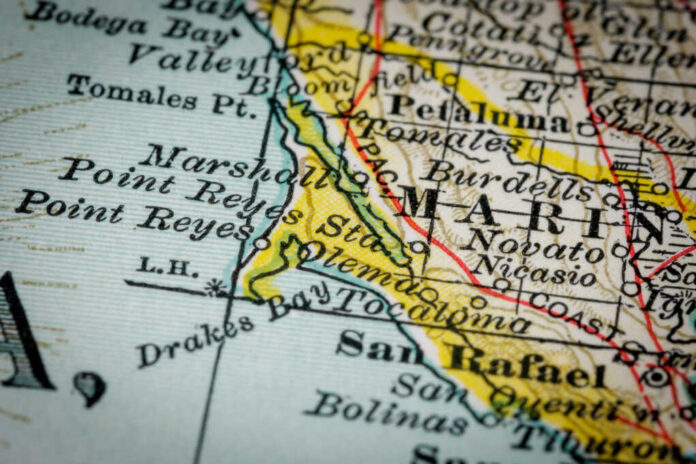
Record-breaking King Tides combined with heavy rain have sparked a crisis in Northern California, highlighting the urgent need for effective flood management.
Story Highlights
- Severe flooding due to King Tides and heavy rain in Marin County.
- Floodwaters reached up to 3-4 feet, leading to road closures and rescues.
- Local authorities struggle to manage the crisis amid ongoing rain forecasts.
- Residents and motorists face significant disruption and damage.
Unprecedented Flooding Strikes Marin County
On January 3, 2026, Marin County, Northern California, faced severe flooding caused by King Tides coinciding with heavy rain. This natural phenomenon resulted in water levels rising as high as 3-4 feet along a 15-mile stretch from Sausalito to San Rafael, severely impacting the region’s roadways. Residents were advised to stay home as emergency services worked tirelessly to rescue stranded motorists. The event has been described as the most severe flooding in over two decades due to the celestial alignment causing these extreme tides.
Local authorities, including the Marin County Sheriff’s Office, played a crucial role in managing the crisis. Rescue operations were led by Sgt. Michael Dobbins, who emphasized the challenge posed by the combination of heavy rain and extreme tides. The National Weather Service issued a flood warning and advisory, highlighting the continued risk of flooding as more rain is forecasted. This event underscores the vulnerability of low-lying coastal areas that regularly experience “sunny-day” flooding, now exacerbated by intense weather conditions.
Watch:
Challenges Facing Emergency Services and Residents
The response from local authorities has been swift, with road closures and shelter-in-place orders enforced to protect residents. However, the ongoing rain forecast complicates recovery efforts, risking further flooding in the already inundated areas. This situation highlights the strain on emergency services and the urgent need for resilient infrastructure in flood-prone regions. The economic impact is significant, with road closures and vehicle damage disrupting daily life and local businesses, particularly in the tourism sector.
The effects of this flooding extend beyond immediate disruptions, potentially leading to long-term damage to coastal infrastructure. The heightened awareness of such climate-amplified events calls for comprehensive flood management strategies to mitigate future risks. As the situation progresses, local officials face increasing pressure to secure funding and implement effective flood mitigation measures to protect communities and infrastructure.
Expert Perspectives on Flood Risk and Management
Experts, including Sgt. Dobbins and meteorologists from the National Weather Service, stress the importance of public compliance with safety advisories during such high-water events. The predictable yet intensifying risks of King Tides, exacerbated by storms, align with climate models forecasting more frequent extreme tidal events due to sea-level rise. This event serves as a stark reminder of the urgent need for investment in resilient infrastructure and effective flood management strategies to safeguard vulnerable communities.
The consensus among industry experts underscores the critical role of accurate forecasting and coordinated response efforts in minimizing harm during such natural disasters. The insights from local authorities and weather services provide a clear picture of the challenges and necessary steps to address future flood risks effectively.
Sources:
Heavy rain, high tides cause flooding along stretch of Northern California