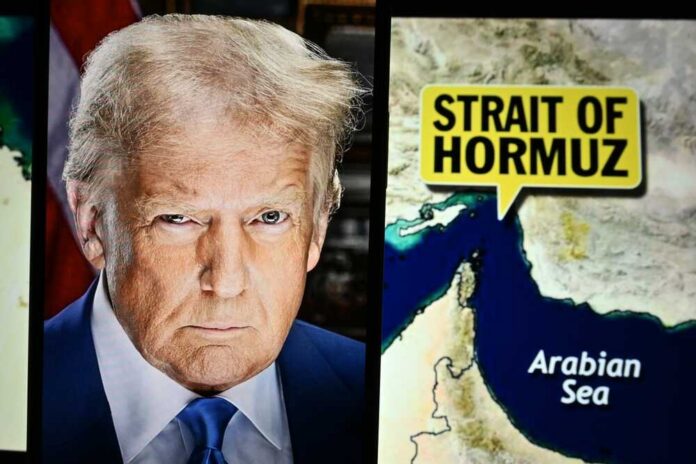
President Trump’s Iran ultimatum is testing whether Washington can still project strength abroad without stumbling into another open-ended Middle East war.
Quick Take
- Fox News’ Will Cain highlighted Trump’s warning that Iran faces severe military consequences if peace talks fail.
- Trump’s rhetoric included threats to strike infrastructure and language about pushing Iran “back to the Stone Ages,” underscoring a high-stakes pressure campaign.
- Coverage also pointed to a reported U.S. rescue mission involving an American navigator inside Iran, raising the temperature of an already volatile standoff.
- Available reporting leans heavily on U.S. and allied claims; independent confirmation of Iran “surrendering” or “apologizing” is not established in the provided material.
Trump’s ultimatum resets the negotiating table with military leverage
President Donald Trump’s latest message to Iran, as discussed on Fox News’ “Will Cain Country” coverage, centers on a simple premise: cut a deal or face overwhelming force. The segment described Trump threatening devastating strikes, including infrastructure targets, if negotiations fail. The approach fits Trump’s second-term “peace through strength” brand, but it also compresses the timeline for diplomacy and increases the risk that miscalculation or a single provocation could trigger a wider conflict.
Will Cain’s breakdown framed Trump’s posture as coercive diplomacy rather than a march to war, emphasizing that the threat is designed to extract compliance and deter escalation. That framing matters politically at home. Many voters—right and left—have grown skeptical of foreign interventions that cost American lives and money while unelected national-security bureaucracies expand power. Trump’s team is effectively arguing that a credible threat now could prevent a prolonged war later, even if the language is intentionally blunt.
Rescue mission reporting adds urgency—and potential escalation risk
Another key element discussed in the coverage was a reported U.S. operation that rescued an American navigator in Iran. Any U.S. personnel recovery scenario inside hostile territory carries serious escalation risk, because it can be interpreted as a direct challenge to a regime’s sovereignty and security apparatus. The reporting available here does not provide full operational details, but the mere fact of a rescue story being tied to an ultimatum narrative signals how quickly tactical incidents can become strategic flashpoints.
From a governance standpoint, this is where public confidence can erode fast. Americans have watched Washington spend decades oscillating between vague threats and endless deployments, often with shifting goals and limited accountability. A clearly stated objective—secure a peace deal and deter attacks—can provide a cleaner standard for measuring success. At the same time, if deadlines and maximalist rhetoric outpace real diplomatic channels, Congress and the public may be forced to react after events have already spiraled.
Claims of Iranian “defeat” and “apology” remain hard to verify from available sources
The Fox coverage relayed Trump’s claims that Iran had been defeated after U.S. and Israeli strikes, with statements suggesting Iran “surrendered” and “apologized” to regional neighbors. Those are consequential assertions because they imply Tehran’s willingness to accept new terms. However, based on the user-provided research, the information stream is largely U.S.- and Fox-driven, and it does not include independent Iranian government confirmation or neutral third-party verification of surrender-like statements.
Why the moment resonates with voters who distrust “the elites”
Trump’s hardline messaging lands at a time when many Americans—conservatives and a growing slice of liberals—believe the federal government is failing basic responsibilities while focusing on careerism and bureaucracy. A high-profile foreign crisis intensifies that skepticism: voters worry that unelected officials can steer the country into conflict, while taxpayers foot the bill and communities absorb the consequences. The political test for the administration will be pairing credible deterrence with transparency about aims, limits, and off-ramps.
The bottom line from the material provided is that Trump is using explicit, high-pressure rhetoric to shape Iran’s choices, and conservative media is emphasizing leverage, deterrence, and negotiating strength. What remains unclear is how close the parties are to a deal, how Iran is responding beyond public posturing, and whether the combination of a ticking ultimatum and on-the-ground incidents could widen the conflict. With limited independent sourcing here, readers should separate confirmed actions from political claims.
Sources:
Iranian regime plays for a ‘maximalist advantage,’ says …
Latest Breaking News Videos | Fox News Video
Trump’s 2026 SOTU: Reactions pour in following …