President Trump accuses Iran of outright deception in nuclear talks, arming U.S. warships as Islamabad negotiations teeter on collapse today.
Story Snapshot
- Trump labels Iran a dishonest partner, claiming they privately agreed to dismantle nukes but publicly deny it.
- U.S. warships load advanced munitions amid “make or break” talks in Pakistan linking nuclear curbs to Middle East ceasefire.
- Iran dismisses U.S. offers as dishonest, demands aggression guarantees while holding Strait of Hormuz leverage.
- America’s military superiority counters Iranian media narrative control, per Trump, exposing their delusional stance.
Trump Calls Out Iranian Deception
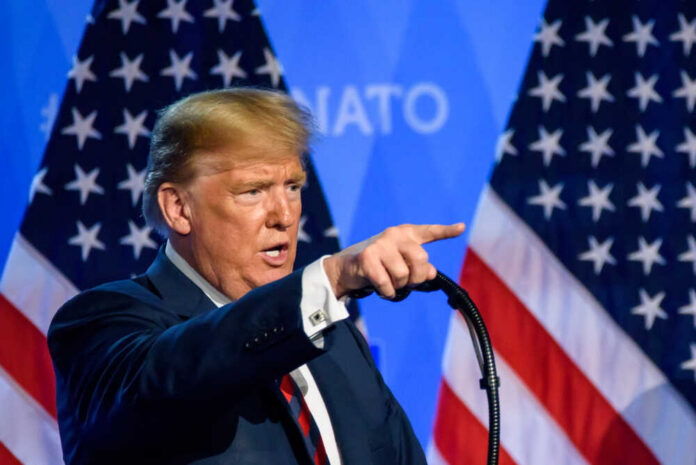
President Donald Trump stated on Truth Social that Iranians fail to grasp their lack of leverage beyond short-term Strait of Hormuz extortion. He accuses them of privately committing to nuclear dismantlement in prior rounds before April 1, 2026, while publicly rejecting enrichment halts. This duplicity undermines trust as talks commence in Islamabad on April 11, 2026. U.S. preparations signal resolve against such tactics, prioritizing American security and regional stability over empty promises.
Iran Is a Dishonest and Delusional Negotiating Partner and We Can't Let Them Control the Narrativehttps://t.co/ZkzeJBnI4Q
— RedState (@RedState) April 11, 2026
U.S. Military Edge in High-Stakes Talks
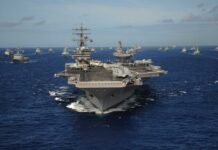
U.S. Navy ships load the best munitions for potential talks failure, Trump revealed in a New York Post interview on April 10, 2026. These preparations exceed prior strikes, underscoring superior firepower. Vice President JD Vance anticipates positive outcomes, yet contingencies address Iranian intransigence. Pakistan’s Shehbaz Sharif deems the session pivotal for a weeks-long Middle East conflict ceasefire. Strength deters aggression rooted in maximum pressure doctrine.
Historical tensions trace to 2018 JCPOA withdrawal, sparking sanctions and Iranian enrichment escalation. Precedents include 2019-2020 tanker seizures and the Soleimani strike. Iran views U.S. as aggressors; America sees extortion via waterway blockades. Power dynamics favor U.S. naval presence against Iran’s asymmetric tools.
Iran Counters with Demands
Iranian officials declared on April 1, 2026, no honesty exists in U.S. offers, rejecting deadlines and seeking guarantees against future aggression. They distrust post-JCPOA moves, aiming for sanctions relief. This stance clashes with Trump’s view of Iran as alive only to negotiate, reliant on media savvy over real cards. Both sides expose deep mistrust, fueling elite-driven foreign policy frustrations shared across political lines.
U.S. seeks permanent nuclear curbs for stability; Iran prioritizes security. Pakistani mediation tests neutral hosting amid naval buildup. Trump holds final say, with Supreme Leader influencing Iran indirectly. Americans weary of endless entanglements demand outcomes protecting energy flows and sovereignty.
Risks and Broader Implications
Failure risks Hormuz blockade, oil spikes, U.S. strikes, and ceasefire collapse, hitting global shipping and economies. Success curbs nukes, eases tensions. Long-term, it shapes non-proliferation; breakdown accelerates Iranian advances. Energy volatility burdens families, refugee surges strain borders, testing regimes politically. Defense readiness bolsters deterrence, aligning with America First principles against globalist overreach.
Sources:
JPost article on Trump’s statements and U.S.-Iran talks